Workation Guide
Paris, France
Experience the City of Light while working remotely in Paris, where elegant cafés, world-class culture, and timeless charm create the perfect backdrop for productivity and inspiration.
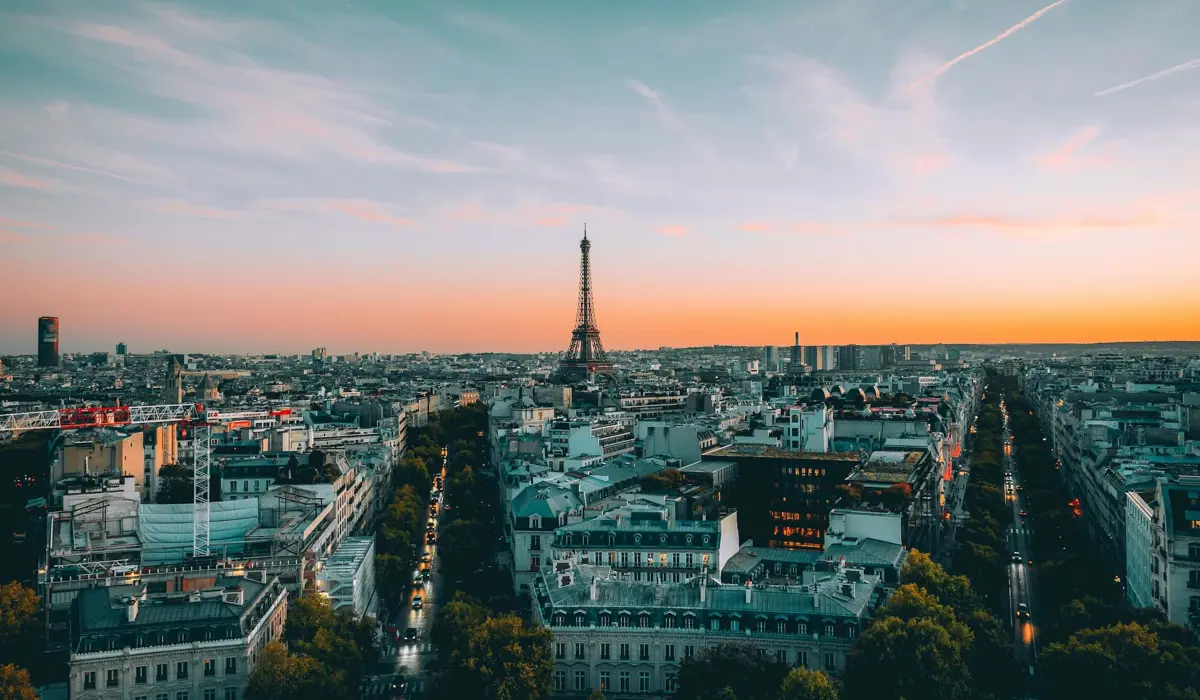

Paris Workation: Work from the world's most beautiful office
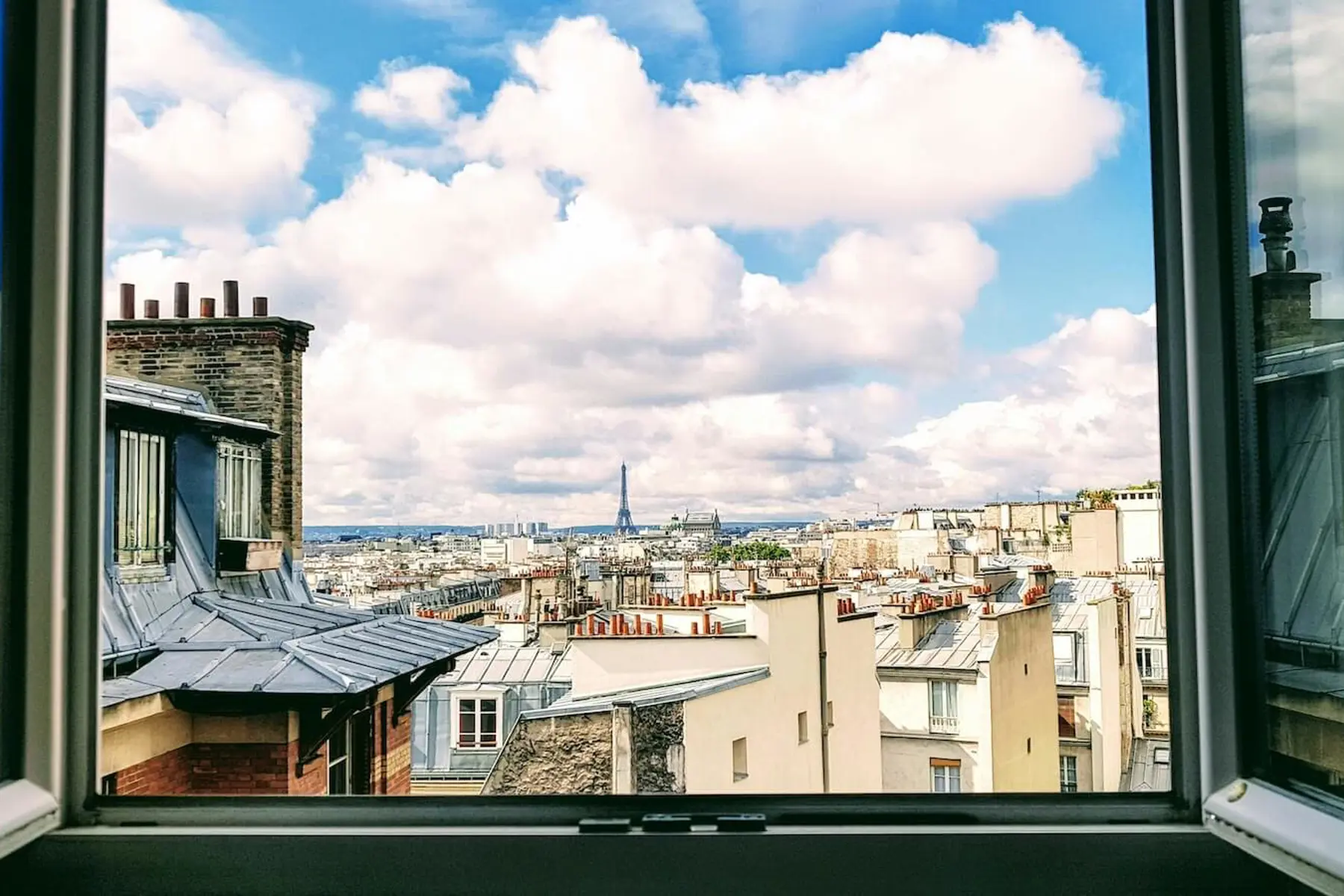
Your morning alarm? The gentle whir of an espresso machine or the distant clatter of baguettes being delivered to the local boulangerie. Your commute? A leisurely walk past 17th-century mansions where your only rush is catching the last pain au chocolat before your 9 AM standup. Your office view? A Parisian balcony overlooking zinc rooftops, or maybe a sun-drenched table at the same café where Hemingway once typed away. This isn't just remote work—it's living the Parisian dream while staying productive.
Paris has a secret: it's not just for tourists on a weekend fling. The City of Light is rapidly becoming a remote work paradise, with fiber internet in every arrondissement, co-working spaces that double as art galleries, and cafés where lingering with your laptop for hours is not just accepted—it's expected. Plus, with home swapping through Swaphouse, you can actually afford to stay long enough to develop a relationship with your local boulanger (yes, they'll remember your order by week two).
Forget what you think you know about Paris. This guide will show you how to work remotely here like a local, swap homes to save thousands, and discover why Parisians have been doing the work-life balance thing beautifully for centuries.
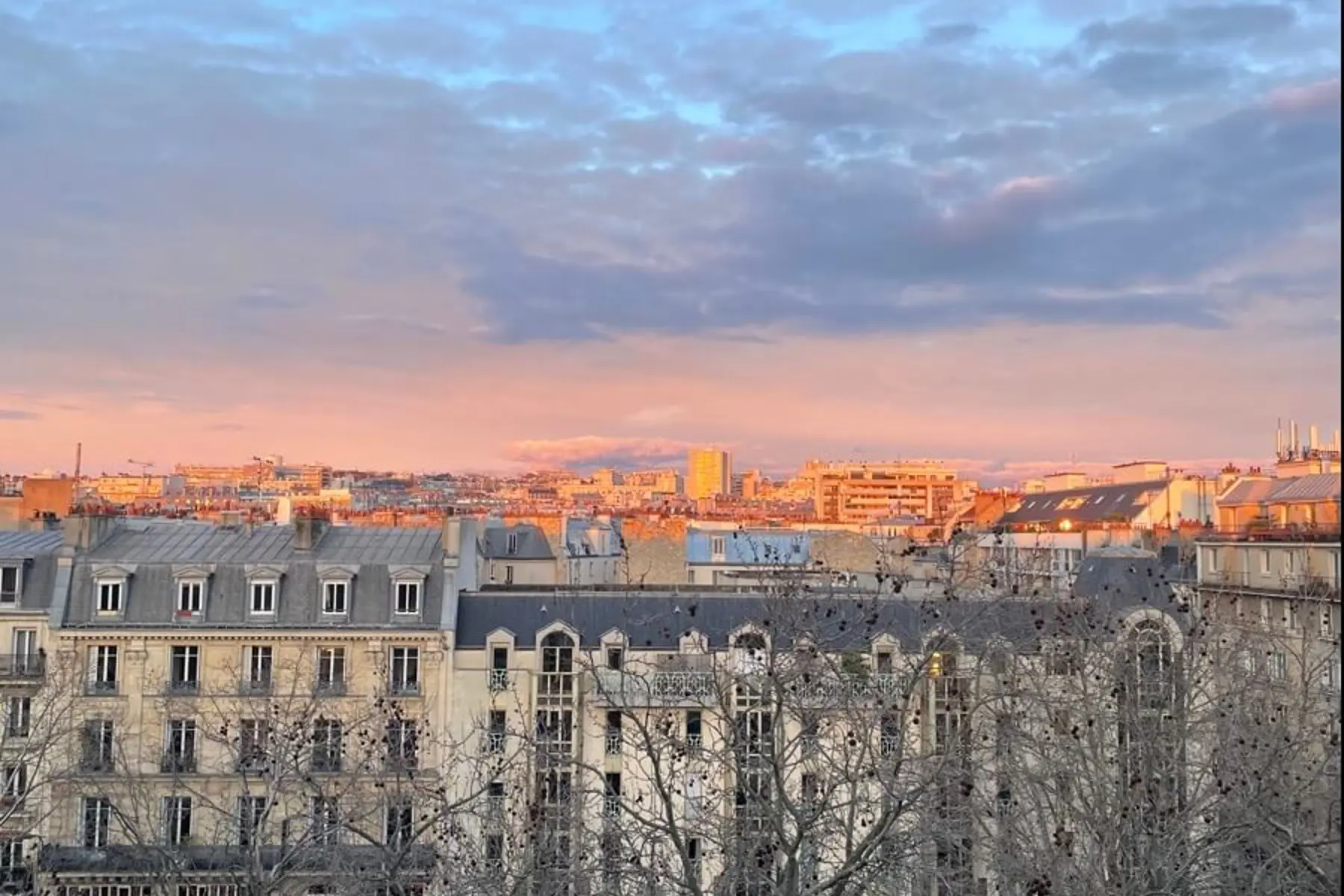
Why remote workers are falling in love with Paris
Sure, Paris has romance, wine, and croissants that'll ruin you for life. But it also has some seriously underrated perks for remote workers and digital nomads. Here's what makes Paris an unexpectedly perfect workation destination (beyond the obvious Instagram opportunities).
Reliable internet
Paris has some of the fastest fiber internet in Europe, with coverage in nearly every arrondissement. Your Zoom calls will be crystal clear, and your Netflix binges after work will be buffer-free.
Free accommodation with Swaphouse
Skip paying around €200 per night (often more) for a tiny hotel room. Home swap with locals and live in an actual Parisian apartment with a kitchen, real WiFi, and neighbors who actually say "bonjour" in the elevator.
Café culture
Work from the same cafés where Sartre wrote philosophy and Picasso sketched masterpieces. Or choose modern spots with Instagram-worthy interiors and specialty coffee that won't disappoint.
Cultural richness
Your lunch break can include a quick stroll through the Louvre, and Friday evenings are perfect for museum night openings. Culture isn't a special occasion here—it's daily life.
Efficient transport
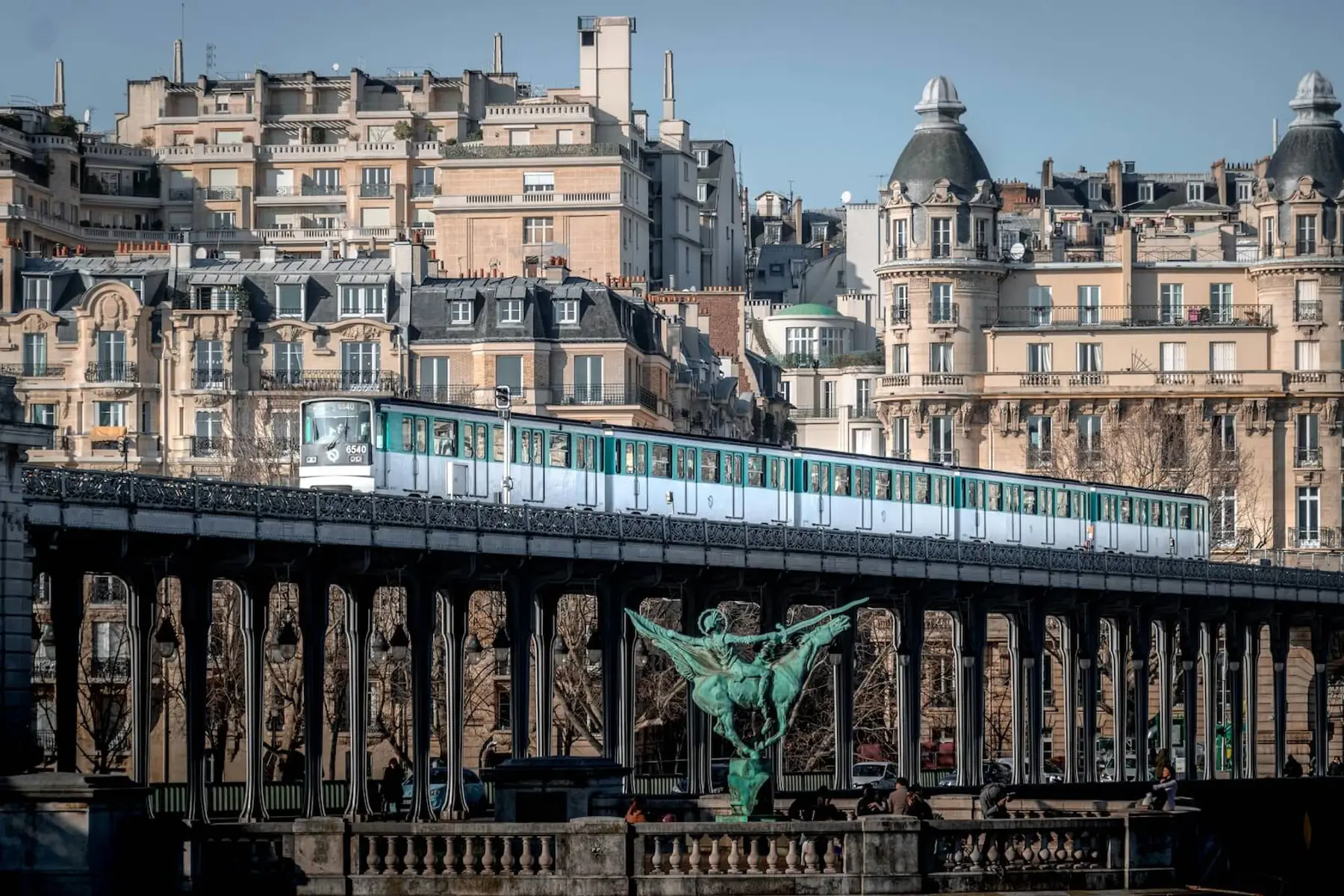
The Metro might be over 100 years old, but it'll get you anywhere in 30 minutes max. Plus, with a Navigo pass, you can hop between arrondissements like a local without breaking the bank.
Central European location
Weekend in London by train, Champagne by high-speed rail, or hop a quick flight to Barcelona. Paris is Europe's transportation hub—your options are endless.
Gastronomic paradise
Your €3 morning croissant might be the best thing you eat all day. From corner boulangeries to 3-Michelin-star temples, Paris will ruin you for all other food cities forever.
Historic architecture
Your daily commute involves walking past centuries-old architecture that would be a national monument anywhere else. Here? It's just Tuesday.
Diverse neighborhoods
Choose your Parisian personality: artsy Montmartre, hipster Canal Saint-Martin, elegant Saint-Germain, or trendy Le Marais. Each arrondissement is basically a different city.
The not-so-sexy stuff: visas, money, and surviving Paris bureaucracy
Look, we get it—you want to talk about croissants and the Seine, not visa requirements. But trust us, sorting this stuff out upfront means more time for the fun parts later. Here's the essential nitty-gritty.
Visas and legalities
EU/EEA and Swiss citizens can live and work in France without restrictions. For non-EU/EEA nationals, several visa options exist:
- Short-Stay Schengen Visa: Allows stays up to 90 days in a 180-day period for tourism. Remote work for non-EU employers may be allowed, but regulations are strict—check with French authorities.
- Long-Stay Visa (VLS-TS): For stays longer than 90 days. Various categories exist, including student, work, and talent visas. Remote workers may need a specific work permit depending on their situation.
- France Digital Nomad Visa (VLS-TS "Passeport Talent"): Designed for freelancers and remote workers who can prove sufficient income. Requirements include health insurance and proof of funds.
Always verify the latest regulations with the France Visas website or your local French consulate, as rules can change.
Banking and currency
France uses the Euro (€). Credit and debit cards are widely accepted, though some smaller establishments prefer cash. For longer stays, consider opening an account with a French bank (BNP Paribas, Crédit Agricole, or Société Générale) or use online services like Revolut, N26, or Wise. Note that many banks require proof of residency, so research options that work for short-term stays.
Language tips
While many Parisians speak English, especially in tourist areas, learning basic French phrases enhances your experience. Essential phrases include "Bonjour" (hello), "Merci" (thank you), "S'il vous plaît" (please), and "Parlez-vous anglais?" (Do you speak English?). Parisians appreciate when visitors make an effort with the language.
Healthcare and safety
France has excellent healthcare. EU/EEA visitors can use their European Health Insurance Card (EHIC) or Global Health Insurance Card (GHIC). Non-EU travelers should secure comprehensive travel insurance. Paris is generally safe, but be mindful of pickpockets in crowded areas like the Metro, tourist attractions, and markets. Always keep valuables secure and stay aware of your surroundings.
Useful apps
Download Citymapper or the RATP app for public transport. Uber and Bolt are popular for rides. TheFork helps you discover and reserve restaurant tables. Duolingo and Babbel are great for learning French basics.
Paris weather: When to visit (and when to pack an umbrella)
Paris has four distinct seasons, each with its own personality. The good news? There's no truly terrible time to be here. The bad news? You'll want to stay through all of them. Here's what to expect from Paris weather (spoiler: yes, it rains, but that's when the city gets moody and beautiful).
Spring (March–May): When Paris wakes up
- Weather: Paris shakes off winter's chill gradually—March might still require a light jacket, but by May you're in terrace weather territory. Expect 15°C (59°F) highs, occasional April showers (hence the umbrella cliché), and increasing sunshine that makes everyone suddenly happier.
- Workation perks: This is when outdoor cafés become your extended office. Work from Jardin du Luxembourg with your laptop, and nobody bats an eye. The city feels alive, and so will your productivity.
- Activities: Cherry blossoms in Parc de Sceaux (worth the metro ride), all the markets reopen fully, and the Seine banks become prime picnic spots. This is when Parisians emerge from hibernation.
Summer (June–August): When Parisians escape (but you shouldn't)
- Weather: It gets warm (20°C average, can hit 30°C+), and the city can feel like a furnace during heatwaves. But those long summer nights? Worth it. The sun sets after 9 PM, giving you extra hours for post-work adventures.
- Workation perks: Here's the secret: many Parisians flee in August, so the city is quieter and more affordable. Tourist crowds? Yes. But also Paris Plages (beaches on the Seine!), rooftop terraces, and that golden hour light that lasts forever.
- Activities: Outdoor cinema at Parc de la Villette, music festivals everywhere, and the ability to dine outside until 11 PM without being cold. Also, many locals are on vacation, so cafés are less crowded during work hours.
Autumn (September–November): Paris's secret best season
- Weather: September still feels like summer, November feels like winter is coming. But October? Perfect. Crisp air, golden light, temperatures in the teens (°C). It's when Paris looks like a movie set, and you'll understand why every filmmaker shoots here in autumn.
- Workation perks: The tourists have left, but the weather hasn't turned yet. Cafés are quieter, museums are less crowded, and you can actually get a table at that restaurant everyone recommends. Plus, working from a cozy café during a light drizzle is peak Parisian productivity.
- Activities: Nuit Blanche (all-night art festival in October), fall foliage in Parc des Buttes-Chaumont, and the return of hot chocolate season at Angelina. This is when you'll feel like a true Parisian.
Winter (December–February): When Paris gets cozy
- Weather: It's cold (around 5°C average), it's gray, and the sun sets at 5 PM. Sounds depressing? It's actually magical. The city slows down, people hibernate in cafés, and you'll understand why the French invented vin chaud.
- Workation perks: This is when you'll be most productive. No temptation to skip work for outdoor activities—just you, your laptop, and cozy cafés with perfect lighting.
- Activities: Christmas markets, ice skating with city views, warm-up breaks with vin chaud at outdoor stalls, and the city's best hot chocolate. Winter in Paris is when you'll feel most like you're living in a French film.
Choosing your Parisian personality: The arrondissement guide
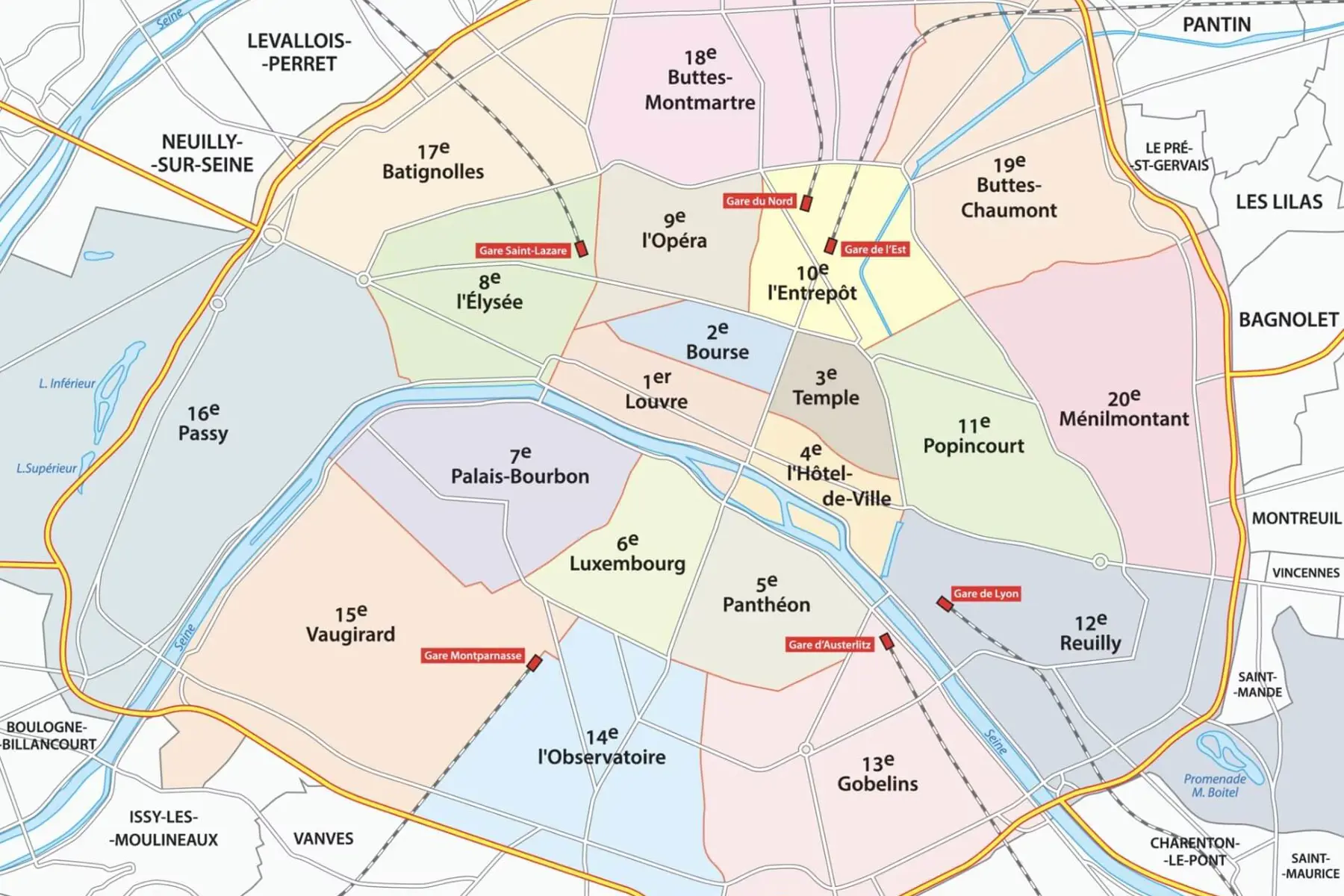
Paris is split into 20 arrondissements (like NYC's boroughs, but more confusing because they spiral outward like a snail). Each one has its own vibe, price point, and type of person it attracts. Choose wisely—your arrondissement will determine everything from your morning croissant quality to your likelihood of running into Instagram influencers.
Le Marais (3rd & 4th): Where history meets hipster
The Marais is Paris's answer to "can we have it all?" Medieval cobblestone streets? Check. Cutting-edge galleries? Check. The best falafel in the city? Check. It's where centuries-old mansions now house concept stores and where you'll find both the oldest Jewish quarter and the newest Instagram hotspots.
- Why remote workers love it: Every café has Wi-Fi and laptop-friendly vibes. You can work from a 17th-century courtyard, walk to the Louvre on your lunch break, and still feel like you're in a neighborhood, not a tourist zone. Plus, the 24-hour bakery culture means your midnight work snacks are covered.
- Don't miss: Place des Vosges for picnics, L'As du Fallafel for the city's most legendary sandwich, Musée Picasso when you need inspiration, and the hidden courtyards (cours) that most tourists never find.
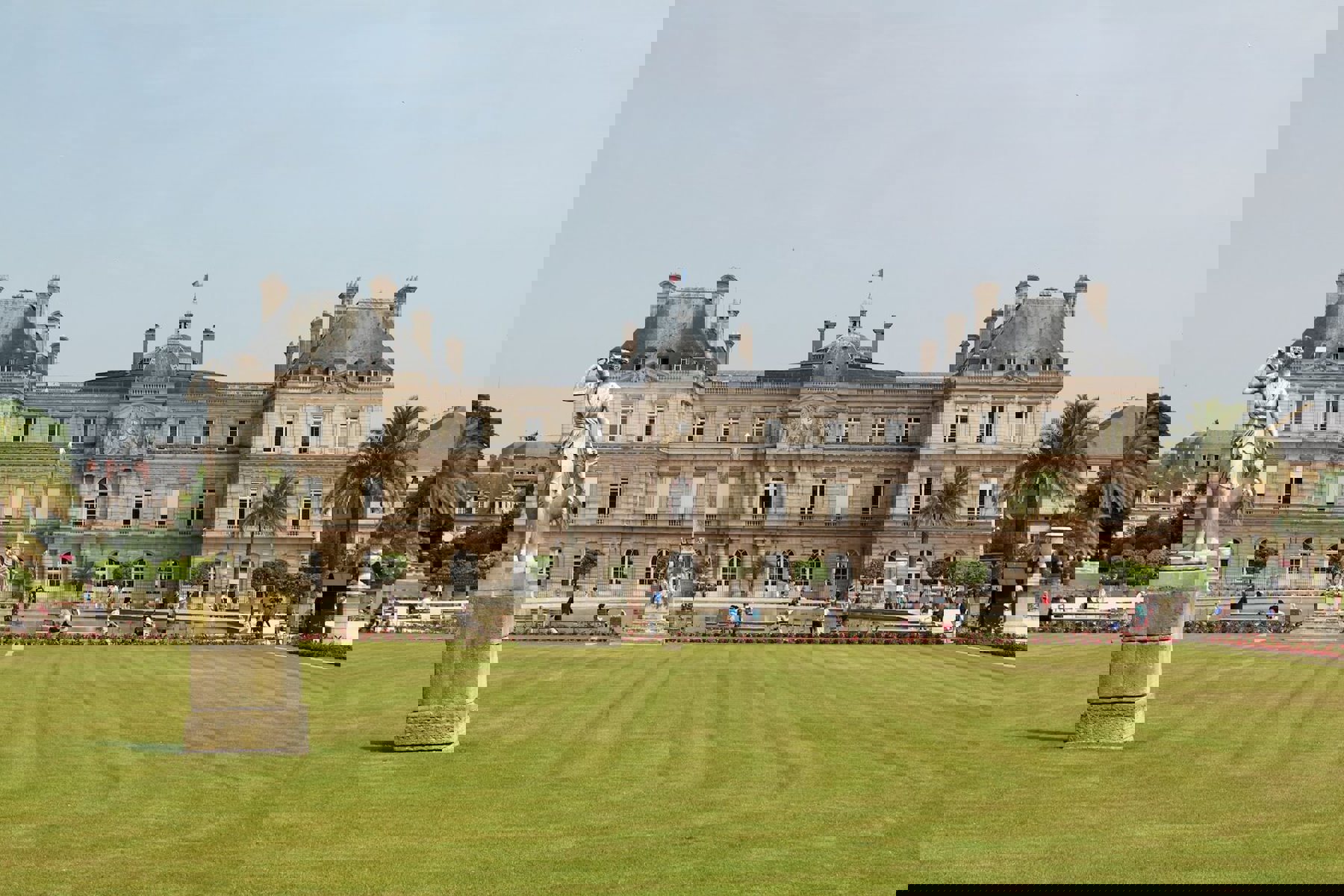
Saint-Germain-des-Prés (6th): Pretend you're Hemingway
This is where literary legends once chain-smoked and wrote masterpieces. Now it's where you'll pay €7 for a coffee but feel sophisticated doing it. Saint-Germain is elegant, intellectual, and expensive—but worth it if you want that "I'm a writer in Paris" fantasy to feel real.
- Why remote workers love it: Working from Café de Flore or Les Deux Magots means you're literally sitting where Simone de Beauvoir and Hemingway worked. The Wi-Fi is modern, but the atmosphere is timeless. Plus, Luxembourg Gardens is your backyard for lunch breaks.
- Don't miss: The legendary cafés (yes, they're touristy, but you have to do it once), Luxembourg Gardens for the perfect work break, the bouquinistes along the Seine, and the feeling that you're somehow smarter just by being here.
Montmartre (18th): The village on the hill
Montmartre feels like it's not even part of Paris—it's a hilltop village that happens to be in the city. Yes, there are tourists at Sacré-Cœur, but wander five minutes away and you're in quiet cobblestone streets where artists still live and work. It's the only place in Paris where you'll get a real workout just going to the grocery store.
- Why remote workers love it: The views alone are worth the climb. Work from a café with city panoramas, find hidden squares where no tourists go, and actually afford an apartment with space (gasp!). The creative energy is real—you'll be more productive just by osmosis.
- Don't miss: Sacré-Cœur at sunrise (before the crowds), the vineyards of Montmartre (yes, there are actual vineyards), Place du Tertre when you need people-watching, and the staircases that will make you question your life choices but reward you with the best views.
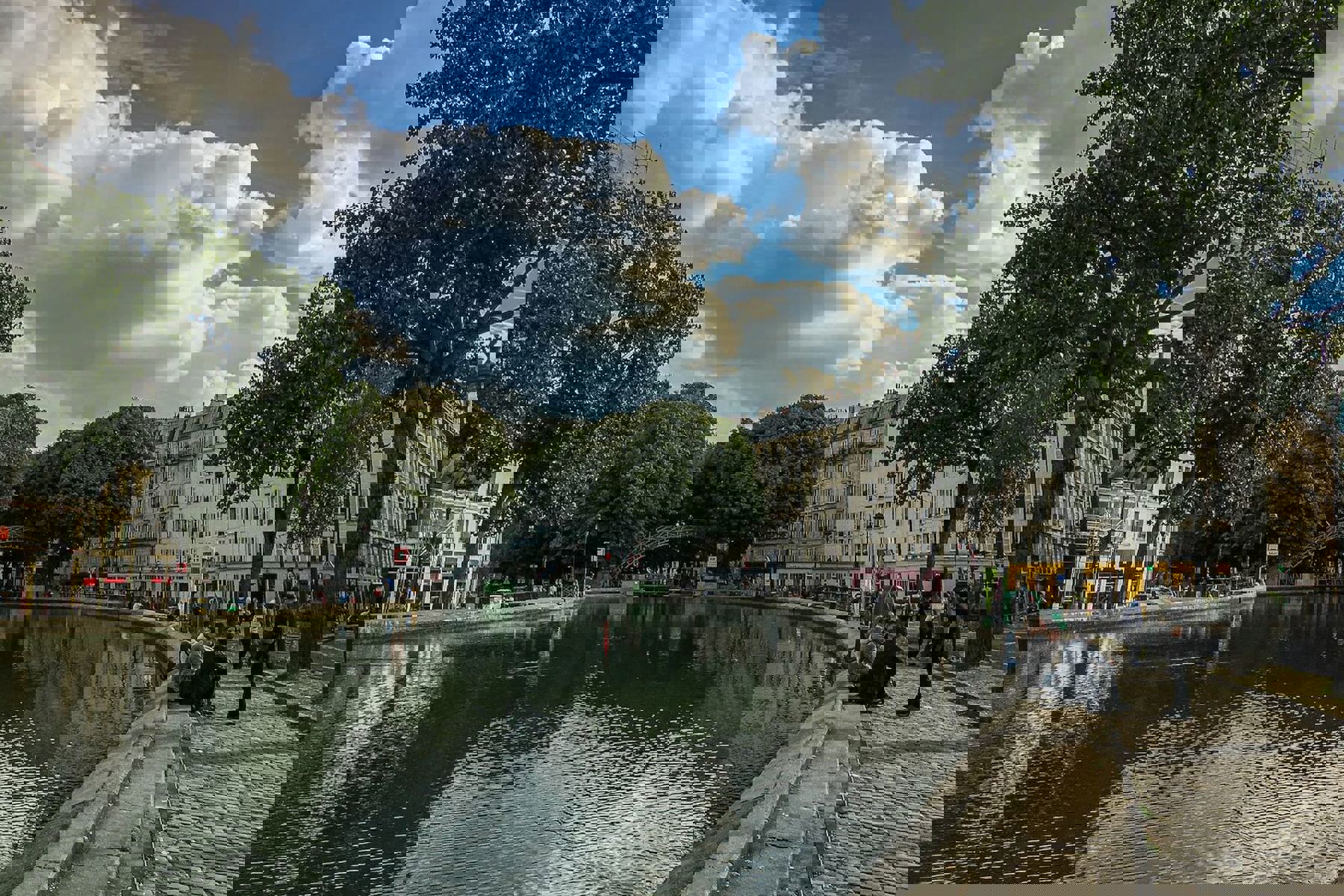
Canal Saint-Martin (10th): Brooklyn, but make it French
This is where Paris's cool kids hang out. The canal is lined with people drinking wine on the banks (legal and encouraged), vintage stores that cost way too much, and cafés that look like they were decorated by a Wes Anderson character. It's hip, it's fun, and it's where you'll find the best third-wave coffee in Paris.
- Why remote workers love it: The cafés here actually understand remote work culture. Plus, the canal banks are perfect for "I'm working outside" photo ops. The area is less touristy, so you'll feel like a local fast.
- Don't miss: Canal-side picnics (the city's favorite pastime), the hidden passages, the Sunday market at Place de la République, and pretending you're in Amélie (parts were filmed here).
Belleville (19th & 20th): The real Paris
This is where actual Parisians live—not the Instagram version. Belleville is gritty, multicultural, and full of life. You'll find Chinese dumpling shops next to Tunisian bakeries next to art galleries. It's the most affordable central area, and it has more character than you can handle.
- Why remote workers love it: Your budget will thank you. You can actually afford to stay here long-term, and the creative energy is palpable (this is where many artists have studios). The food is incredible and cheap, and you'll learn more about real Parisian life here than anywhere else.
- Don't miss: The street art (some of the best in the city), Parc de Belleville for sunset views, the multicultural food scene (seriously, try everything), and Père Lachaise Cemetery when you need a peaceful walk among legends.
Swaphouse: How to afford Paris without selling a kidney
Let's talk numbers: a decent hotel in Le Marais? Around €300 per night on average (often more). An Airbnb in Saint-Germain? Around €150-200 per night on average (often more). Want to stay a month? You're looking at easily €3,000, often more—just for a shoebox room. Paris is expensive, and that's not even counting the fact that you'll want to eat your way through every boulangerie in a five-block radius.
That's why we built Swaphouse. We were remote workers who wanted to work from Paris for months, not days. So we started swapping homes—because why pay a fortune when you can swap your place for someone else's? It's not rocket science, but it might just change your life. Read our full story here.
Now, instead of blowing your entire salary on a closet-sized hotel room, you can swap homes with a Parisian on Swaphouse—zero euros, zero hassle, zero regrets. No required membership fees. No weird hidden costs. Just smart people swapping homes so everyone can travel longer and live better. Your Parisian swap partner gets to experience your city, you get to experience theirs. Everybody wins, except maybe hotel corporations.
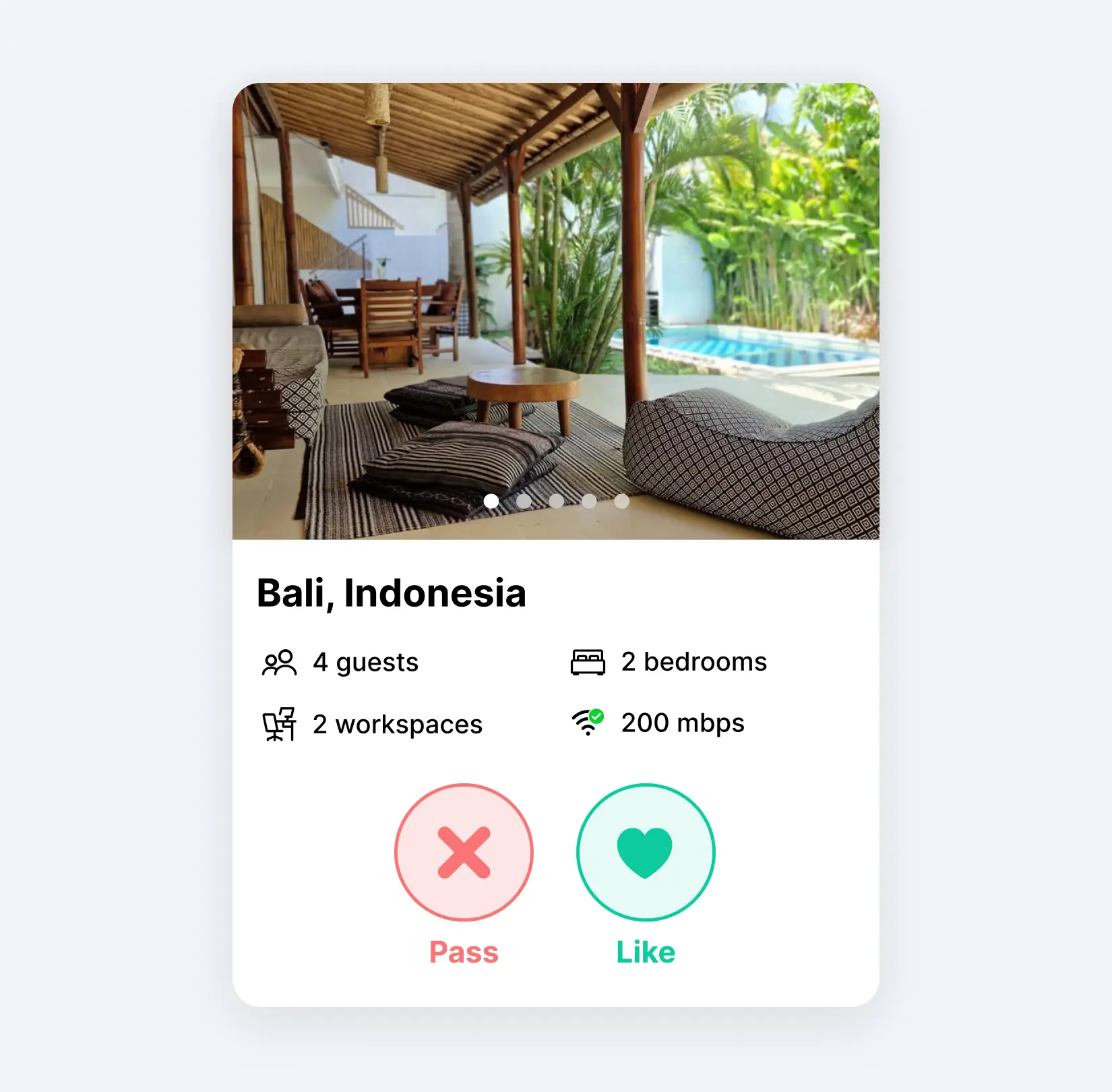
New to Swaphouse? See how it works
Swap your home with someone in Paris and enjoy free accommodation plus authentic neighborhood living. It's the future of remote work travel!
Why Swaphouse makes Paris workations actually affordable:
- Save thousands: That €3,000+ you'd easily spend on a month in a hotel or Airbnb? Use it for actual experiences—weekly market visits, cooking classes, museum memberships, or just treating yourself to that fancy dinner you've been dreaming about.
- Stay long enough to matter: Two weeks in Paris is a vacation. Two months is a lifestyle. Without accommodation costs, you can actually stay long enough to know which boulangerie makes the best croissant (it's the one with the line at 7 AM).
- Live like a human: Real kitchens where you can actually cook. Washing machines so you're not paying €15 per load. Balconies for your morning coffee ritual. These aren't luxuries—they're necessities when you're staying for weeks.
- Built for remote work: Fast Wi-Fi (average 265 Mbps in Paris homes), actual desks, quiet spaces for calls, and neighbors who won't judge your weird work hours. Your swap partner often works remotely too—they get it.
- Insider intel: Your swap partner knows where the real deals are—which boulangerie to avoid (tourist trap), which market has the best cheese, which café won't kick you out after two hours. They'll share their neighborhood secrets because you're taking care of their home.
- The world is your oyster: After Paris, swap to Barcelona. Then Lisbon. Then Tokyo. Once you're in the Swaphouse community, the whole world opens up. Your home becomes your passport.
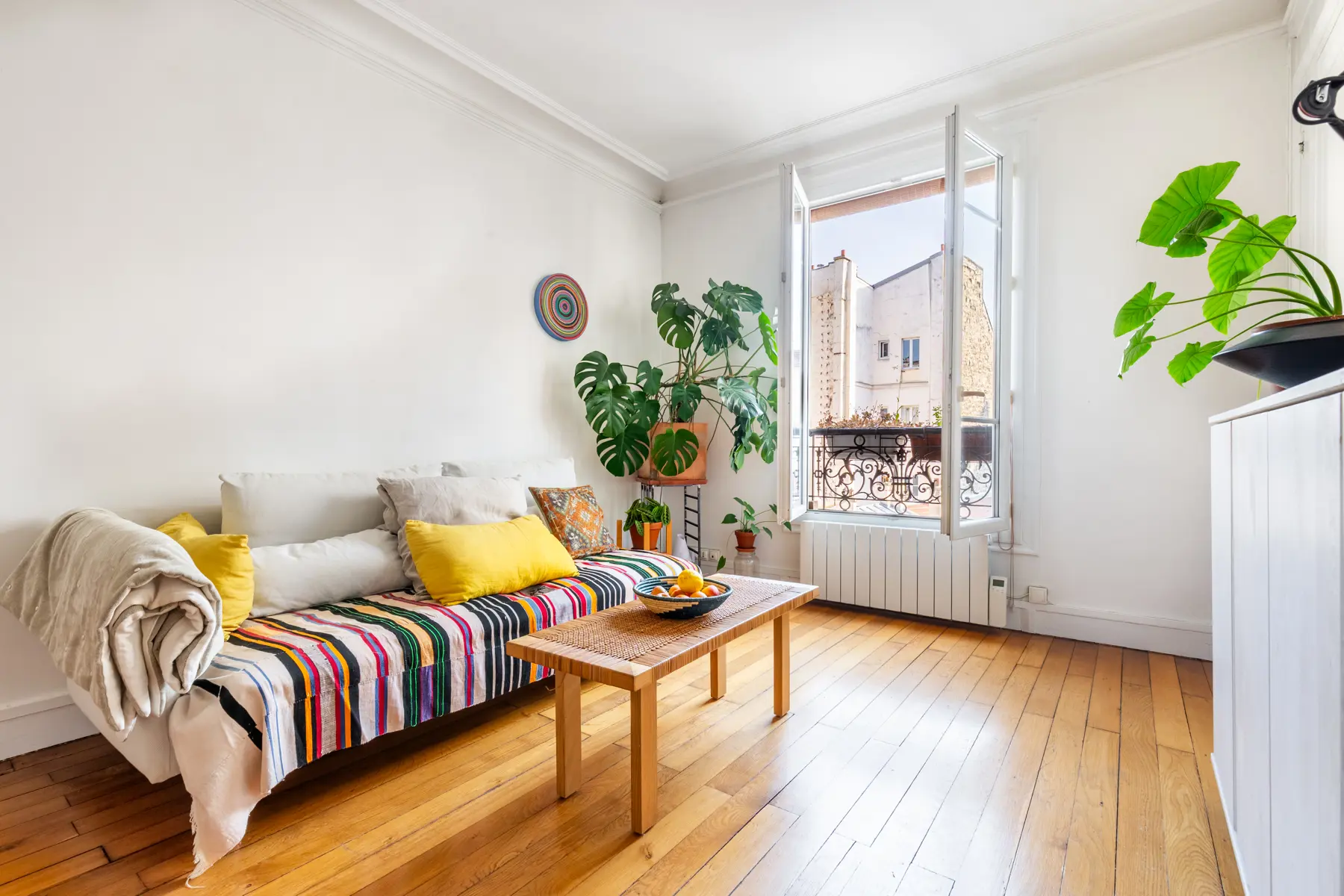
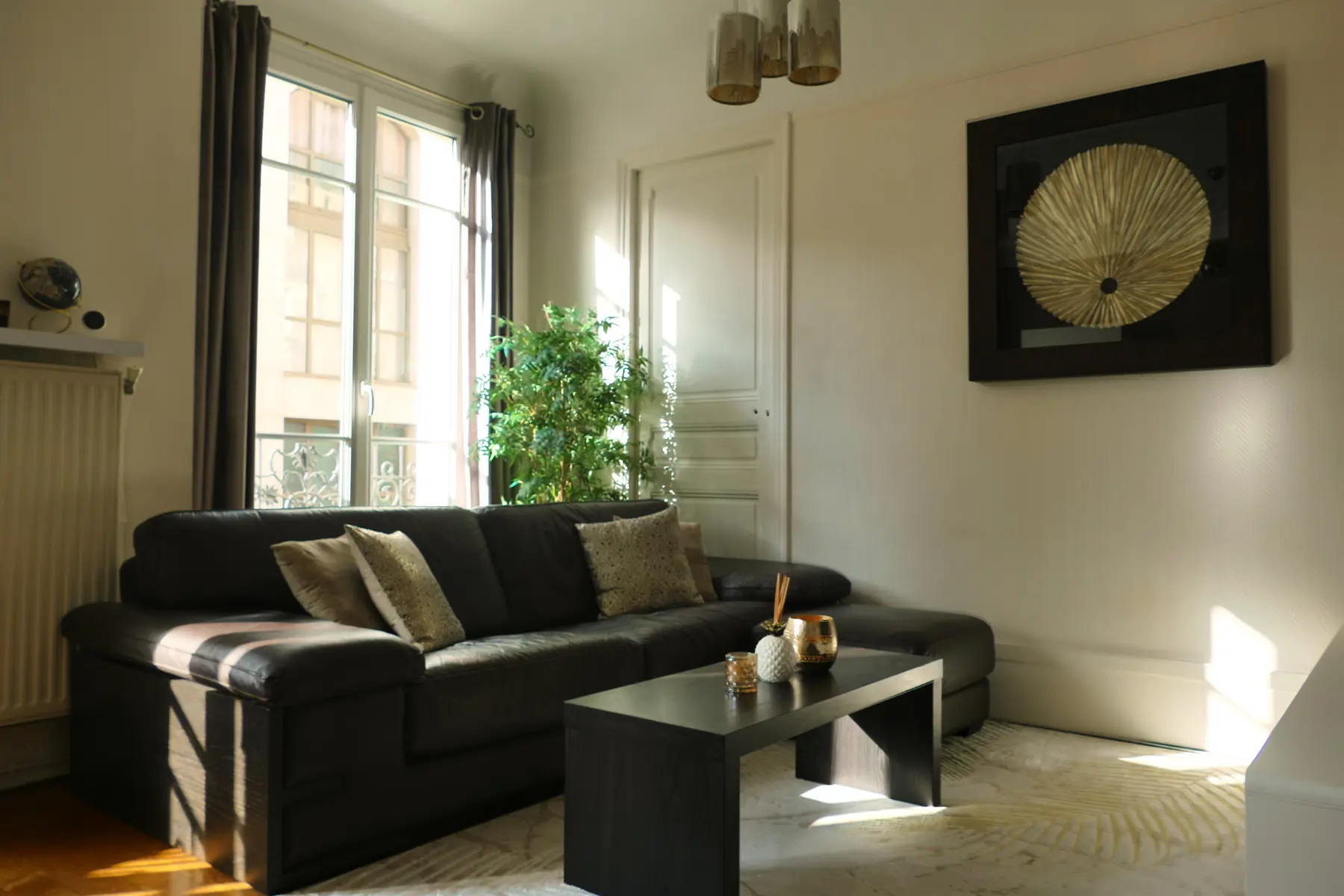
Featured Paris homes on Swaphouse:
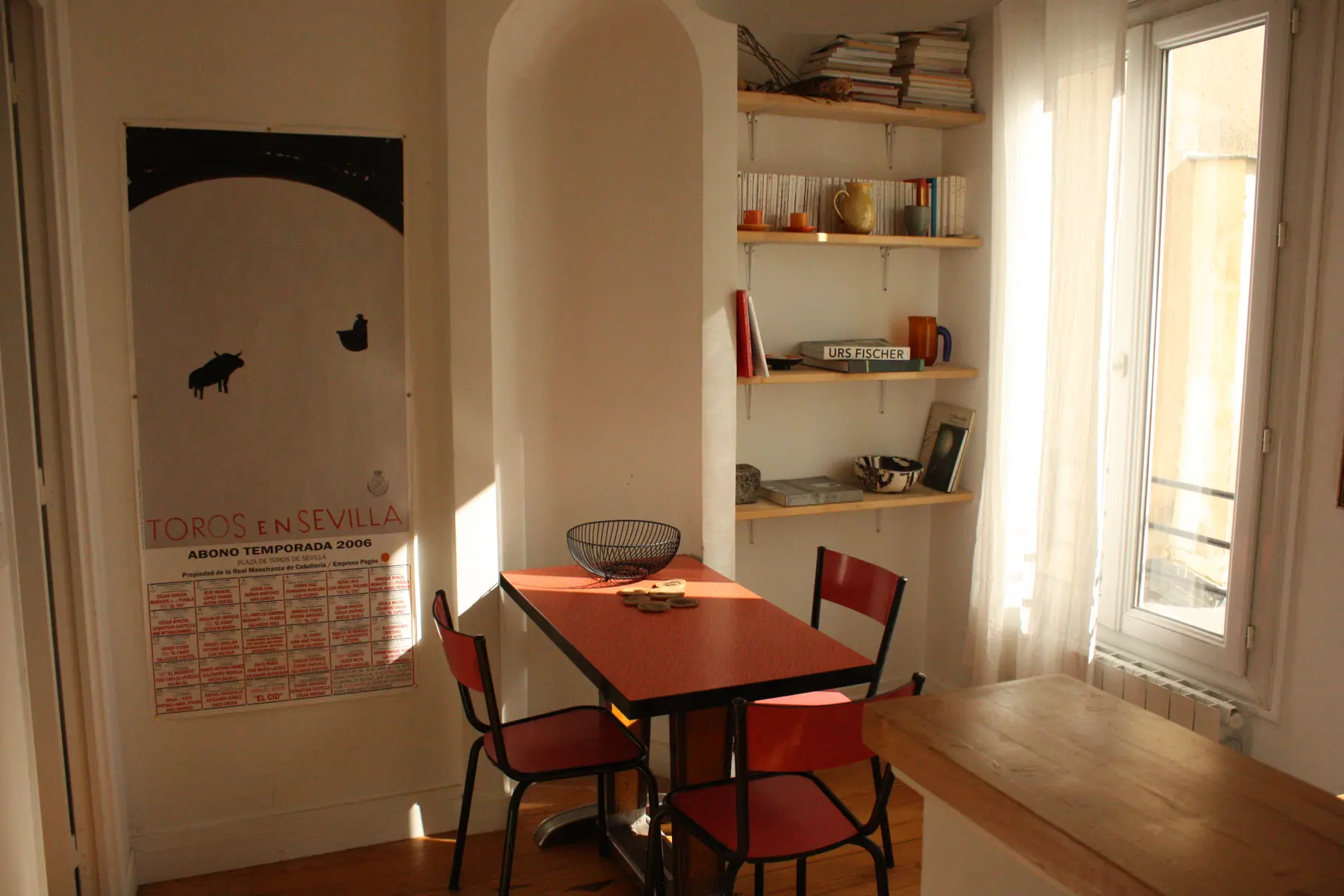
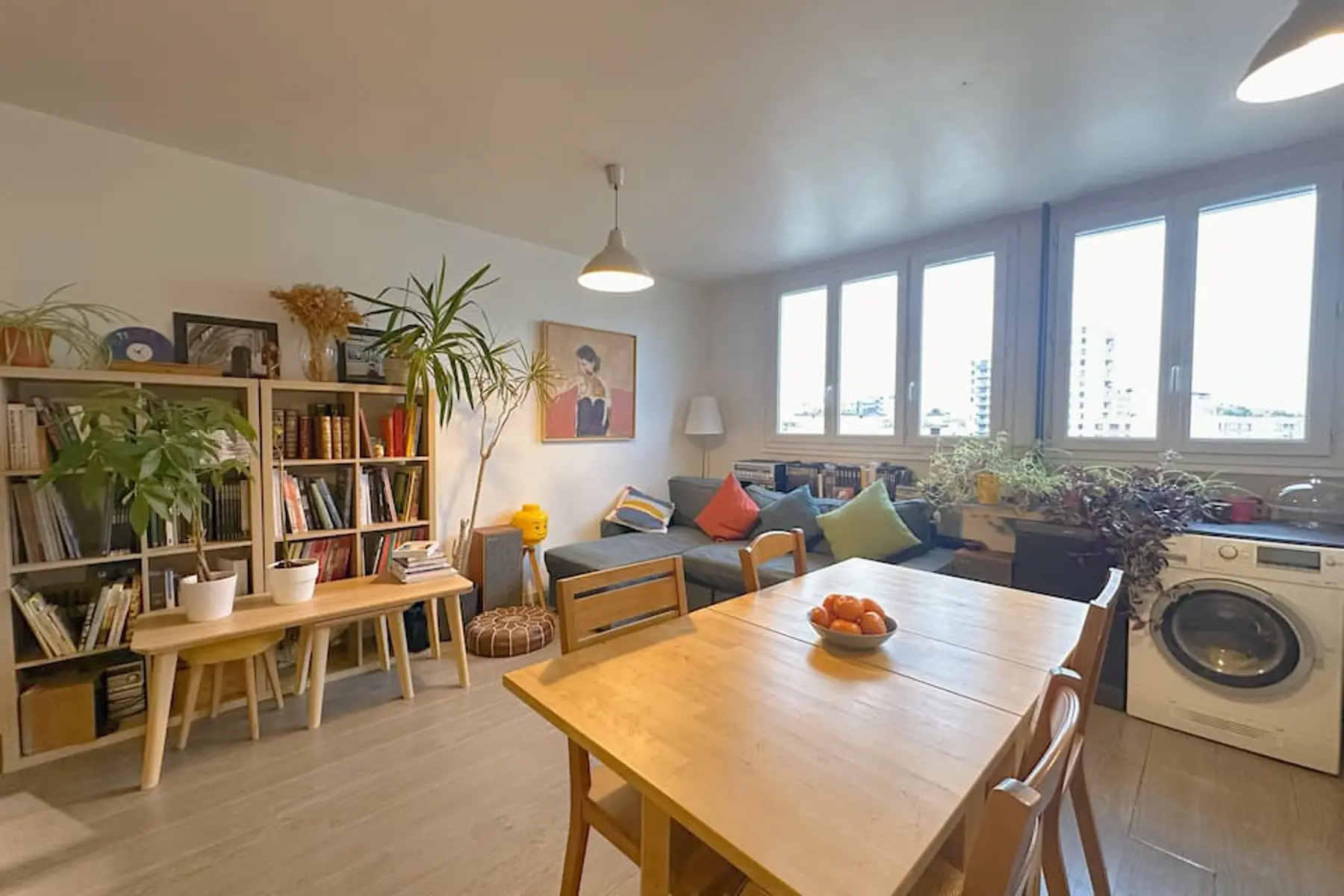
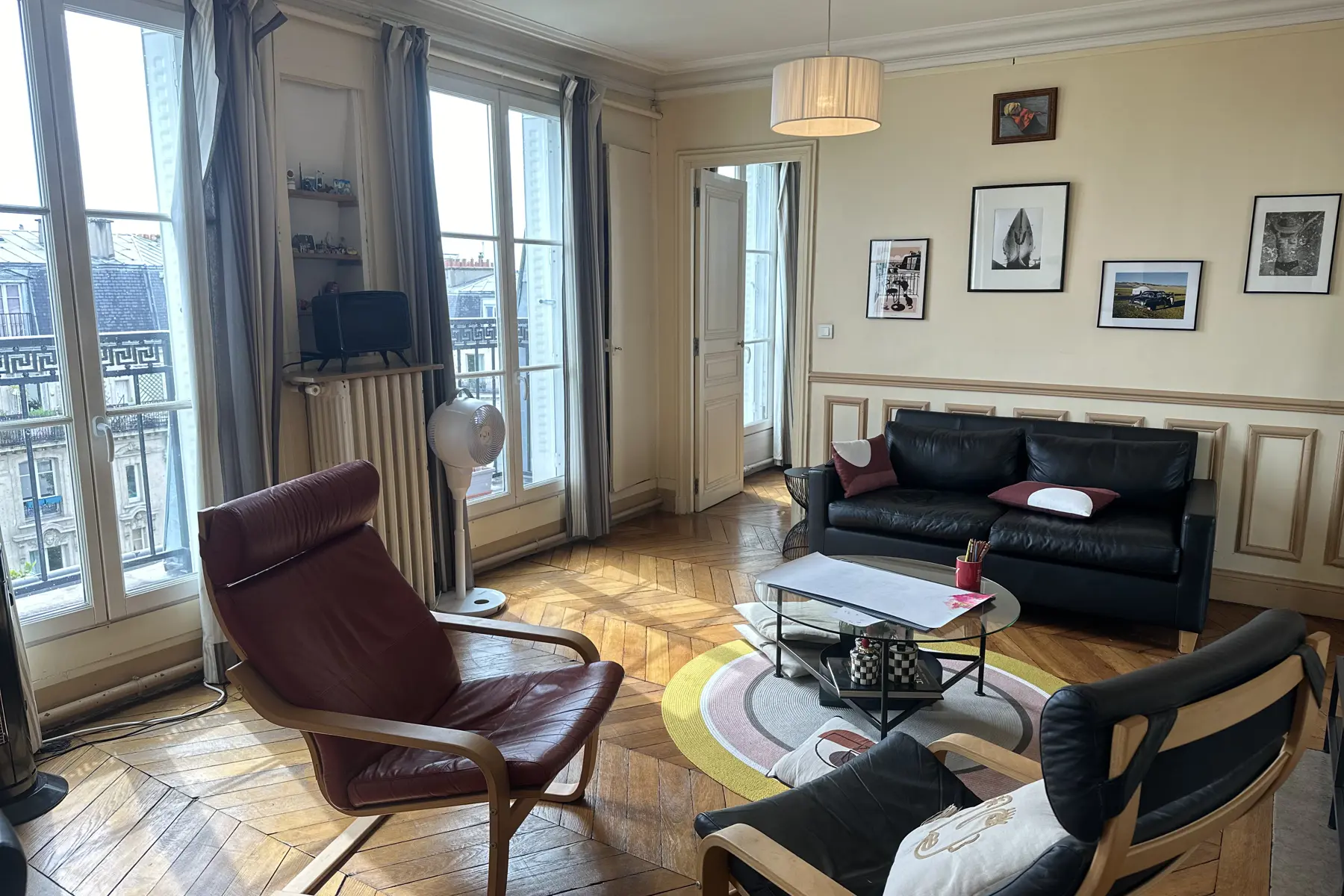
Comparing your Paris accommodation options
Wondering how a home swap compares to hotels or holiday rentals in Paris? Here's a detailed comparison.
Hotels: Convenience at a premium
Paris offers everything from opulent palace hotels to budget-friendly chains. While convenient for short stays, costs escalate quickly for extended visits—expect around €200 per night on average (often more in popular areas or during peak seasons). Hotel rooms also lack the space and amenities needed for comfortable remote work—think cramped desks and unreliable Wi-Fi.
Home Swap vs Hotels: Which is Better for Remote Workers?
Costs, comfort, community—see how home swaps hold up against traditional hotels.
Airbnb & rentals: Flexibility with hidden costs
Paris's short-term rental market is extensive, but service fees, cleaning costs, and city taxes add up. Peak-season rates can be exorbitant, especially in central arrondissements. Plus, not every Airbnb is set up for productive remote work.
| 2 Weeks in Paris | Airbnb | Swaphouse |
|---|---|---|
| Studio | € 1,335 | € 0 |
| 1 Bedroom | € 2,045 | € 0 |
| 2 Bedrooms | € 4,101 | € 0 |

Home Swap vs Airbnb: Which is Better for Remote Workers?
Weigh the pros and cons of renting versus swapping as a digital nomad in Paris.
Coliving spaces: Community at the cost of privacy
Paris's coliving scene caters to digital nomads and remote workers seeking community. While great for networking, these spaces often lack the privacy and quiet needed for focused work or video calls. Shared kitchens and common areas can get noisy during peak hours.
Why Swaphouse stands out
By eliminating accommodation costs, Swaphouse allows you to invest in what matters—whether that's museum memberships, cooking classes, or exploring French cuisine. Instead of feeling like a tourist, you'll truly settle into Parisian life—shopping at local markets, greeting your boulanger, and experiencing the authentic rhythm of the city. Perfect for longer stays where balancing work and cultural immersion is essential.
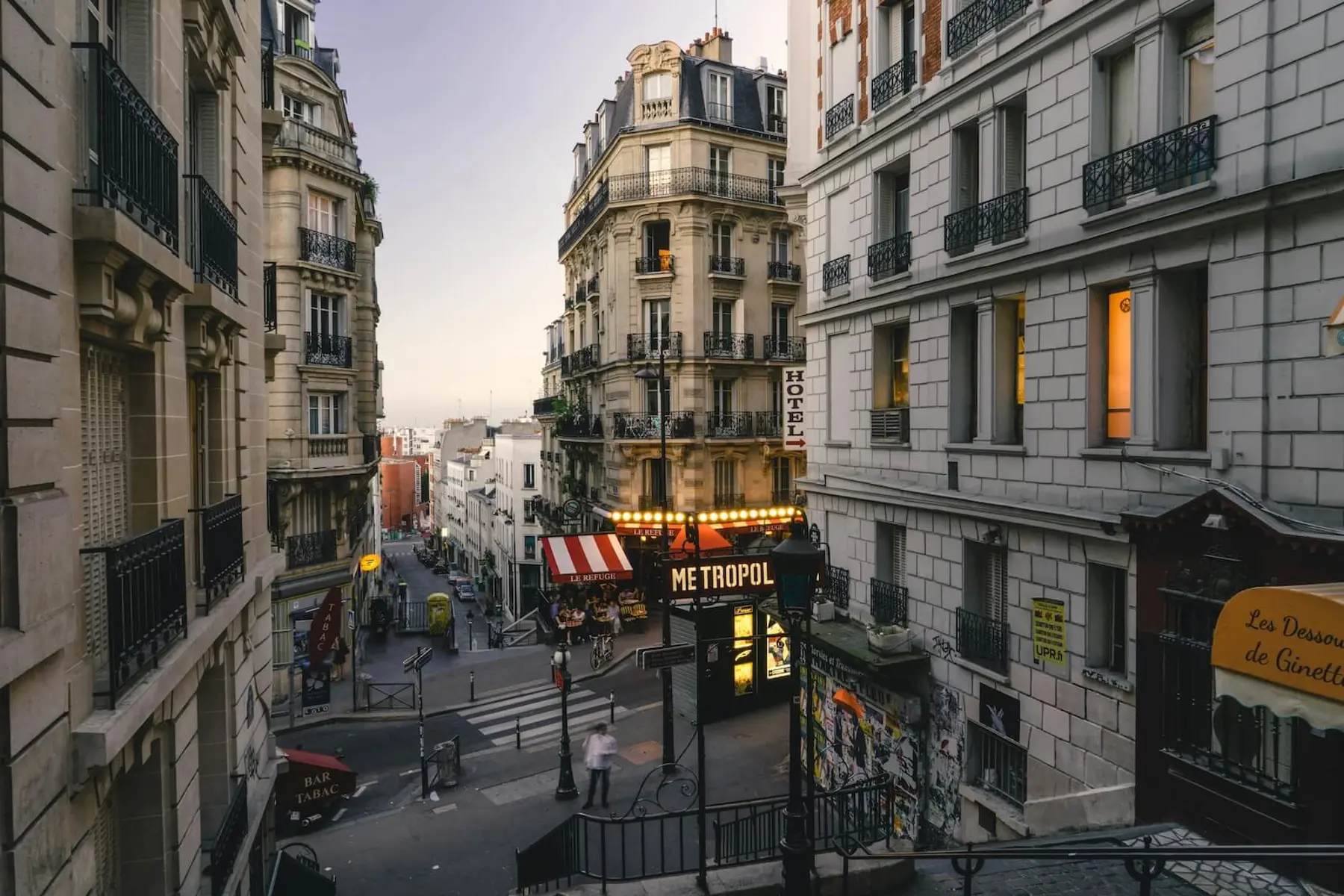
Getting around Paris without losing your mind (or wallet)
Paris's transport system is like the city itself: old, sometimes frustrating, but ultimately brilliant once you figure it out. The Metro is over 100 years old and looks it, but it'll get you anywhere in 30 minutes. Here's how to navigate it like a pro (and avoid the mistakes that mark you as a tourist).
🚇 Metro & RER: Your new best friend (and occasional enemy)
The Metro is simultaneously the best and worst thing about Paris. It's incredibly efficient (you can get anywhere), but it's also ancient (some stations look like they haven't been updated since the 1970s). Single tickets are €2.10, but if you're staying more than a week, get a Navigo Easy card and load it up—you'll save money and look like you know what you're doing. For monthly stays, the Navigo Monthly pass (€84.10) is a no-brainer. The RER (the faster, cleaner cousin of the Metro) connects you to airports and suburbs—essential for day trips.
Pro tip: Download Citymapper or the RATP app. They'll save you from the dreaded "which direction do I go?" panic. Also, learn to stand on the right on escalators (left is for walking). Violate this rule at your own peril—Parisians will judge you silently but intensely.
🚲 Vélib': Bike like a Parisian (survival tips included)
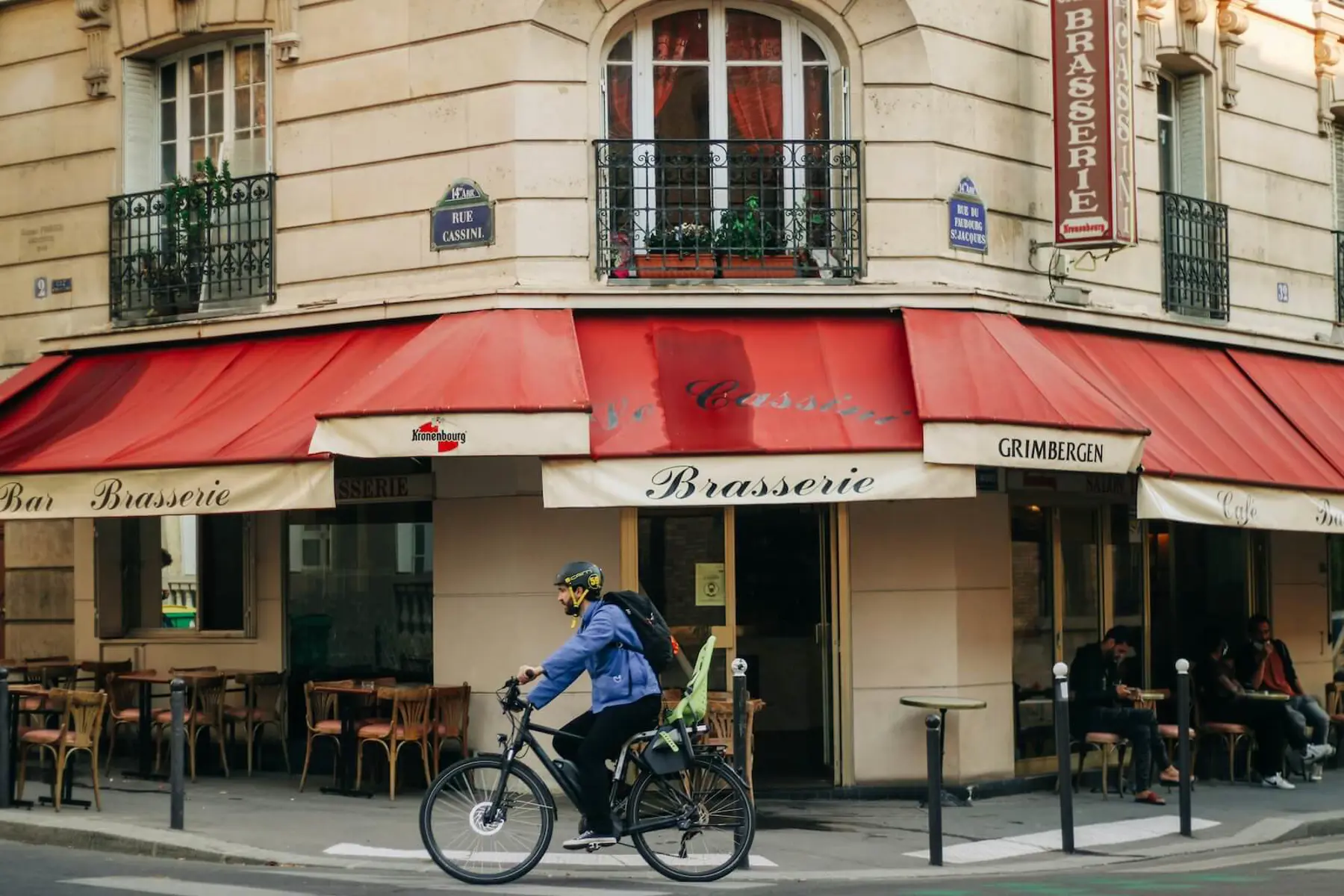
Paris is surprisingly bike-friendly, especially along the Seine and in newer bike lanes. Vélib' has stations everywhere, and at €5 for a day pass (or €40 annually), it's basically free. The electric bikes cost a bit more but are worth it when you hit a hill (yes, Paris has hills—surprise!).
Reality check: Parisian traffic is chaotic, and drivers don't always respect bike lanes. Start on weekends when it's calmer, stick to bike lanes when possible, and always lock your bike (even if it's a Vélib'). Also, helmets aren't required but... probably smart? You'll see locals without them, but you're not a local yet.
🚖 Uber, Taxis, and late-night survival
Uber and Bolt work here, but they're expensive (think €15–25 for a short ride). Traditional taxis are usually cheaper but harder to find. Use them for late nights when the Metro closes (around 12:30–1:30 AM, depending on the line) or when you're loaded down with groceries.
Warning: Parisian traffic is legendary for a reason. During rush hour (8–10 AM, 5–7 PM), walking is often faster. Seriously. Also, if you're taking a taxi, have your destination address ready in French—many drivers don't speak English, and "you know, that place near the thing" won't work here.
How to actually work in Paris (without getting distracted by everything)
Paris is basically a productivity killer disguised as a city. Every street corner has a cute café, every park begs you to sit, and every museum whisper-yells "just one more room!" But you're here to work, right? (Right?) Here's how to stay productive when your surroundings are actively trying to distract you.
Tip #1: Lock yourself into a schedule (then cheat responsibly)
Set strict work hours—maybe 9 AM to 5 PM—and stick to them. But here's the secret: build in "Paris time." Take your lunch break at a real boulangerie (not your desk). Work from a different café each afternoon. The routine keeps you productive, but the variety keeps you sane. Then reward yourself after 5 PM with zero guilt.
Tip #2: Turn distractions into productive breaks
That museum you keep passing? Go during lunch. The park you've been eyeing? That's your walking-meeting spot. The café everyone talks about? Work from there for a change of scenery. Paris isn't a distraction—it's a perk. Just schedule it so it doesn't derail your deadlines.
Tip #3: Embrace the weekend escape
You're in Europe. Use it. Weekend trips to Versailles, Giverny, or even London (2.5 hours by train!) recharge you better than any staycation. The key? Plan them ahead so you don't end up working through Saturday "just to catch up." Your future self will thank you when you're sipping Champagne in Reims instead of staring at spreadsheets.
Tip #4: Find your people (they exist, we promise)
Paris has a surprisingly active remote worker scene. Join expat Facebook groups, hit up co-working spaces (like Station F or WeWork), or use apps like Meetup to find your tribe. Working alone in a foreign city gets lonely fast—but it doesn't have to. Plus, these connections lead to everything from job opportunities to finding that secret boulangerie everyone's been gatekeeping.
Paris cafés where you can actually work (and not feel like a jerk)
Not all Paris cafés are created equal for remote work. Some will side-eye you after hour two. Others will bring you free water refills and let you camp out all day. Here's your guide to the cafés that actually want your laptop-toting business—with bonus points for good coffee, reliable Wi-Fi, and not judging your multiple café crème habit.
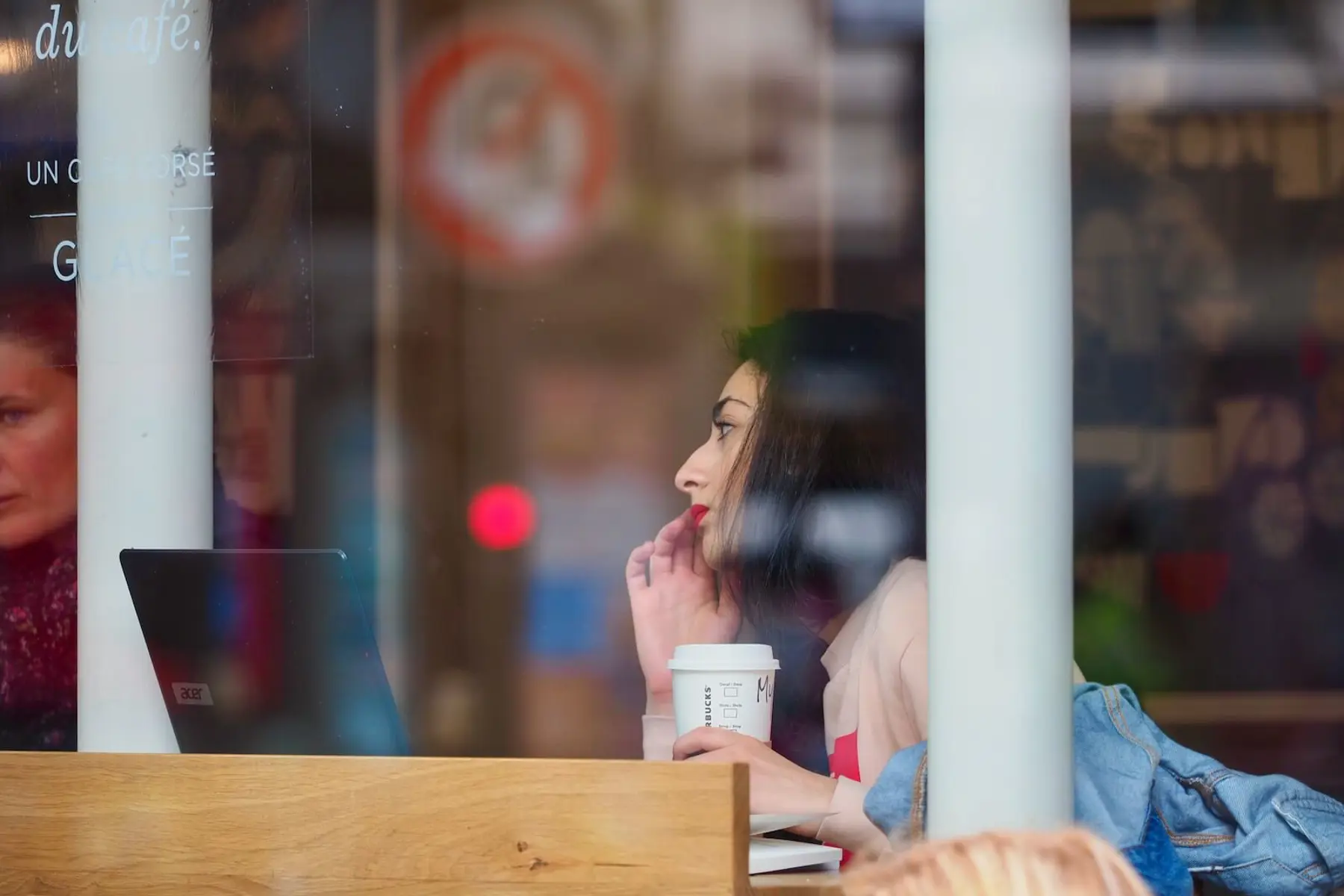
- Ten Belles (10th): British-run spot near Canal Saint-Martin that actually gets remote work. Excellent flat whites, pastries worth the calories, and a friendly vibe that won't rush you. Limited seating, so arrive early or come mid-afternoon when it's calmer.
- Café de Flore (6th): Yes, it's touristy. Yes, you'll pay €7 for a coffee. But working from the same table where Simone de Beauvoir wrote is worth the splurge (at least once). The Wi-Fi is solid, and the people-watching is unmatched. Come during off-peak hours to actually get a seat.
- Boot Café (3rd): Former cobbler shop, now a tiny coffee haven in Le Marais. The space is small (maybe 10 seats?), but the coffee is excellent and the vibe is perfect for focused work. Don't bring a group—this is solo work territory.
- Coutume Café (7th): This is what happens when specialty coffee meets actual space. Huge tables, reliable Wi-Fi, and coffee so good you'll forget you're working. Popular with students and remote workers, so it can get loud—bring headphones.
- KB CaféShop (11th): Australian-style means actual brunch (not just croissants), flat whites done right, and a relaxed attitude toward laptop campers. Spacious enough for meetings, and the staff won't judge your third coffee order.
- Holybelly (10th): Brunch mecca that transforms into a work-friendly space after 2 PM. The pancakes are legendary, the coffee is excellent, and after the brunch rush, you can actually spread out. Perfect for afternoon productivity sessions.
- Café Mericourt (11th): Middle Eastern-inspired brunch that's so good you'll work through lunch just to stay. Spacious, friendly, and with Wi-Fi that actually works. The shakshuka is worth planning your day around.
Café etiquette for remote workers: Order something every hour or two (a coffee, a pastry, lunch—mix it up). Tip well if you're staying long. Avoid peak hours (8-10 AM, 12-2 PM). And for the love of everything, buy something before you ask for the Wi-Fi password. These aren't co-working spaces—they're businesses. Treat them right, and you'll always have a spot.
When you log off: Paris sights that are actually worth it
Look, you've seen the Eiffel Tower on Instagram a million times. But seeing it sparkle at night while you're actually there? That hits different. Here's how to experience Paris's iconic sights without the tourist-trap disappointment—plus some spots you probably haven't heard of but should absolutely visit.
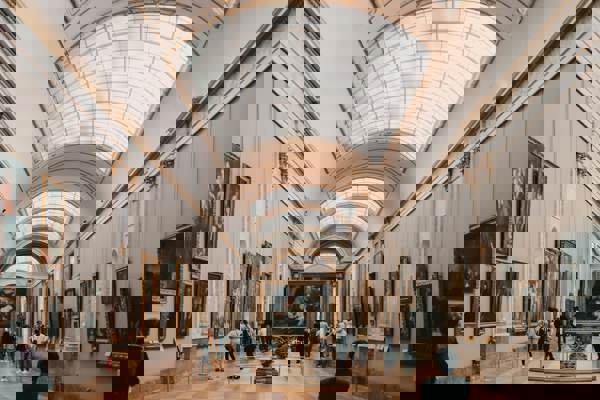
The Louvre: Yes, you should go. No, don't try to see everything in one day (you'll go insane). The secret? Visit on Wednesday or Friday evenings when it's open until 9:45 PM and way less crowded. Buy tickets online, enter through the Carrousel entrance (fewer lines), and head straight for what you actually want to see. Pro tip: The annual pass (€15 for under-26, €69 otherwise) pays for itself after two visits, and you can pop in for 30-minute lunch breaks to see one room.
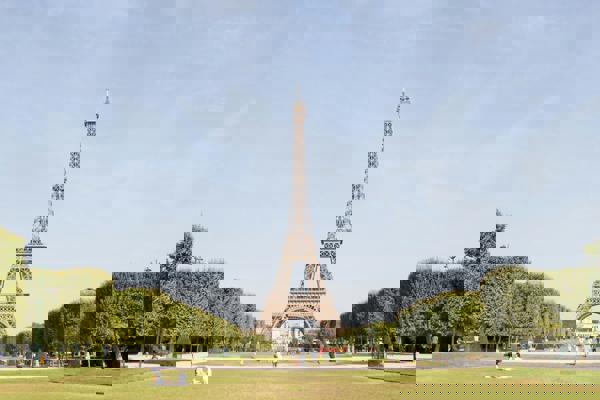
Eiffel Tower: You don't actually need to go up it (the view from the top doesn't include the tower itself, which is the whole point). Instead, grab a bottle of wine, sit on Champ de Mars at sunset, and watch it sparkle at the top of every hour (it's free, it's magical, and you won't wait in line for two hours). If you must go up, book months in advance online, or take the stairs (cheaper, shorter line, better workout).
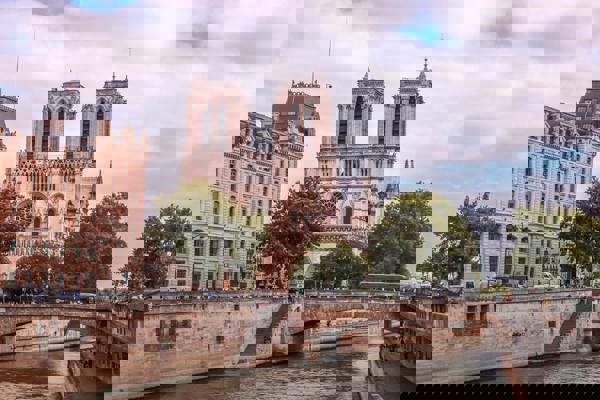
Notre-Dame Cathedral: After years of restoration, parts of the cathedral are open again, and the exterior is as majestic as ever. For a quieter escape, wander over to Île Saint-Louis next door—enjoy peaceful streets, Paris's best ice cream (Berthillon), and a truly local vibe. Ideal for a post-work stroll that feels like a step back in time.
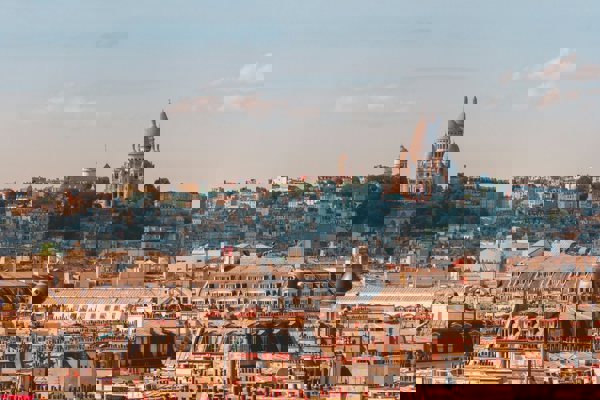
Montmartre & Sacré-Cœur: Yes, it's touristy. But go anyway—just do it at sunrise (before 8 AM) when the crowds haven't arrived and the light is perfect. The view is genuinely stunning, and wandering the back streets before the souvenir shops open feels like discovering a secret. Skip Place du Tertre during the day (it's a tourist trap), but visit the surrounding streets—that's where the real magic is.
The best part of a Paris workation? You have time to discover the city beyond the postcards. Wander into hidden courtyards (look for "passage" signs), find your local market, and let yourself get lost. The real Paris isn't on the tourist map—it's in the streets you discover when you're not in a rush.
Eating in Paris: How to not embarrass yourself and find the good stuff
Paris will ruin food for you. That croissant from your local boulangerie? It'll make every other croissant taste like disappointment. The good news? You're about to eat the best food of your life. The bad news? You'll never be satisfied with anything else. Here's how to navigate Parisian food culture without looking like a tourist (and where to find the real gems).
The essentials (that you'll become obsessed with)
- The Perfect Croissant Quest: Your mission: find your local boulangerie's morning schedule (most make fresh batches at 7 AM and 4 PM). A good croissant should be buttery, flaky, and leave your hands slightly greasy. Pain au chocolat is not breakfast—it's a 4 PM snack (and you'll need it). Pro tip: If there's a line of locals, you're in the right place. If there are English menus, keep walking.
- Steak Frites (the right way): Find a traditional bistro (not near tourist attractions). Order it rare (saignant) or medium-rare (à point). The frites should be crispy and served in a paper cone. Pair with a glass of red wine at lunch because... you're in France, and lunch wine is acceptable here.
- Crêpes & Galettes: Galettes (savory buckwheat) are lunch. Crêpes (sweet wheat) are dessert or snack. The best ones aren't from street stands—they're from dedicated crêperies. Try a complete galette (ham, cheese, egg) and a Nutella crêpe. You'll understand why the French are so passionate about this.
- French Onion Soup: This is winter comfort food perfected. Gooey Gruyère, rich broth, perfect bread. Find it at a traditional brasserie (Bouillon Chartier or Le Procope are classics), and order it on a cold evening. It'll change your life.
Markets: Where real Parisians shop (and you should too)
Marché des Enfants Rouges (3rd): Oldest covered market in Paris, and it's still the best. Come here for lunch—Moroccan tagines, Japanese bento, Italian pasta, all under one roof. Get there early or prepare to wait, but it's worth it. Marché Bastille (11th, Thursdays and Sundays): The market of your dreams. Fresh produce, cheese stands that'll make you cry, and the energy of a city that takes food seriously. La Grande Épicerie: Not a market, but a gourmet food hall that'll make you want to spend your entire salary. Go for inspiration, buy a few treats, try not to cry when you see the prices.
Dining like a local (not a tourist)
Here's the secret: lunch menus (formule) are your friend. €15–25 gets you two courses at places that charge €40+ for dinner. The food is often the same quality, just cheaper because lunch is the main meal here. Always make reservations (TheFork app is essential), and never order a "French" restaurant near major tourist sites—they're tourist traps. Walk three blocks away and find where locals are eating. Also, learn to say "Je vais prendre la formule" (I'll have the set menu)—it'll save you money and make you look like you know what you're doing.
Cheese & Wine 101: Go to a fromagerie (cheese shop) and ask for recommendations. Tell them you want to try different cheeses. They'll guide you. Pair with wine from a cave (wine shop), not a supermarket. French wine is cheaper than water here, and even the €5 bottle will be better than most wines you've had. You're welcome.
Paris culture: Where art isn't optional, it's life
In Paris, culture isn't something you visit on weekends—it's baked into daily life. Art galleries are in your neighborhood. Jazz spills onto the street. Literature happens in cafés. This is the city where culture isn't a luxury; it's the air you breathe. Here's how to actually experience it (beyond just Instagram posts).
Museums that are actually worth your time
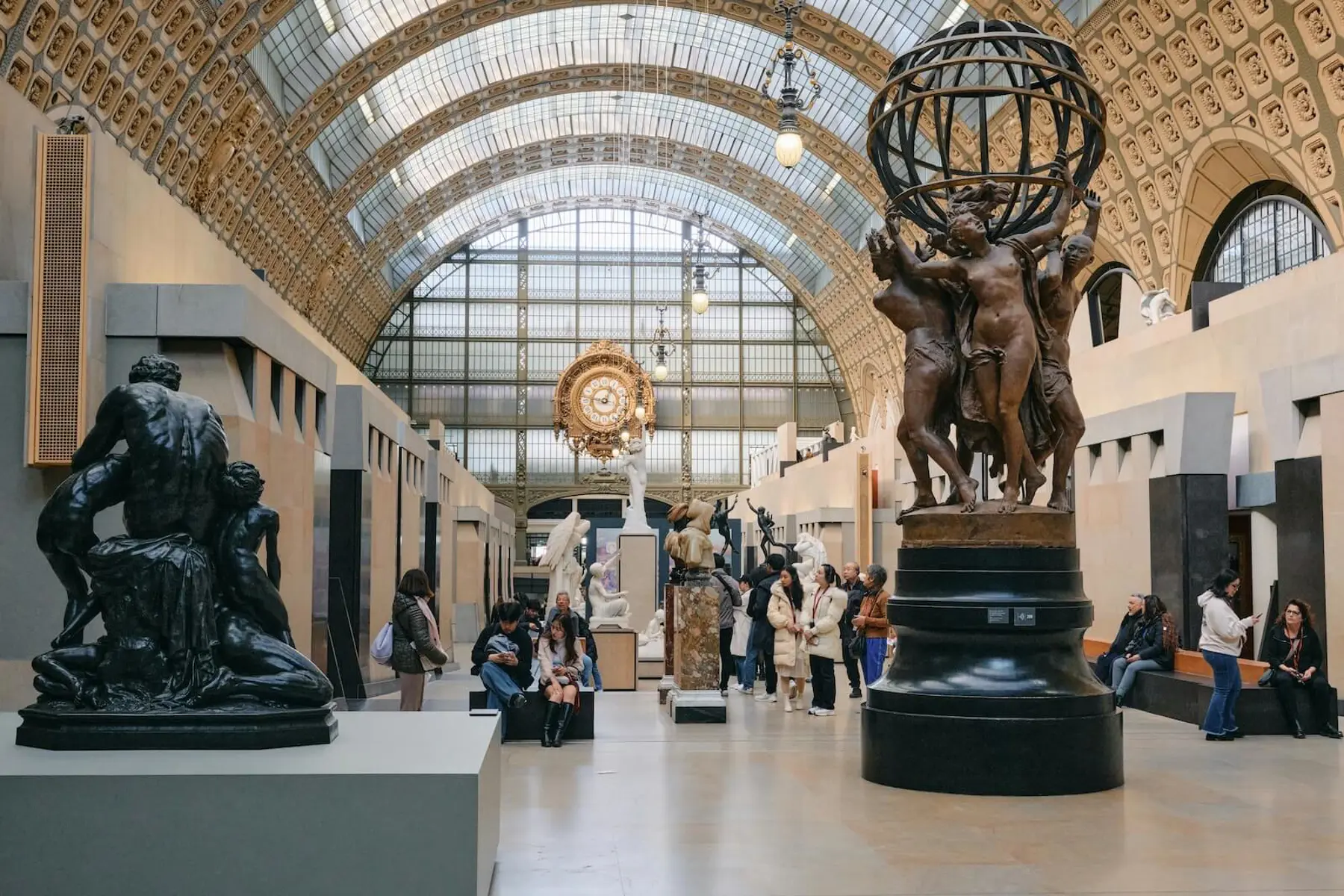
- Musée d'Orsay: Skip the Louvre overwhelm and come here instead. It's manageable, stunning (it's a former train station!), and houses the Impressionist collection that'll make you understand why people become art majors. Visit on Thursday evenings when it's open late and less crowded.
- Centre Pompidou: The building looks like it's inside-out (controversial when built, now iconic). The modern art collection is world-class, and the rooftop restaurant has city views that'll make you forget you're here for the art (but stay for both).
- Musée Rodin: The sculpture garden alone is worth the visit. "The Thinker" sits in a beautiful courtyard, and wandering the grounds feels like being in a French film. Perfect for a post-work decompression session.
- Petit Palais: FREE. Beautiful building. Great collection. What more do you want? It's across from the Grand Palais, so you can do both. The café in the courtyard is a hidden gem.
Music & nightlife: From jazz to techno
Paris's music scene is wild and wonderful. Le Caveau de la Huchette in the Latin Quarter is where jazz has been happening since the 1940s—dance in the same spot where legends played. For classical, Philharmonie de Paris is stunning (the building itself is art). Electronic music? The city has a thriving scene—check listings for warehouse parties and underground venues. The Marais and Pigalle are nightlife hubs, but don't sleep on the smaller venues in Belleville—that's where the real discoveries happen.
Festivals & events: Plan your stay around these
Nuit Blanche (October): All-night art festival where the city becomes a gallery. Museums stay open, installations pop up everywhere, and you'll see Paris at its most magical (and sleep-deprived). Fête de la Musique (June 21): Free concerts everywhere—streets, parks, cafés. The entire city becomes a music festival. Paris Jazz Festival (summer): Free jazz concerts in Parc Floral. Bring a picnic, wine, and prepare to have your mind blown. Paris Fashion Week: Even if you're not into fashion, the energy is electric. People-watching reaches peak levels.
Literary Paris: Pretend you're Hemingway (you're not, but try)
Shakespeare and Company is the famous English-language bookstore where writers have been crashing for decades. It's touristy but worth it—just go early. Work from Les Deux Magots or Café de Flore and pretend you're writing the next great novel (you're probably just answering emails, but the vibe is there). The city's libraries are also incredible—Bibliothèque Mazarine is a hidden gem that'll make you feel like a scholar. Plus, many cultural centers host readings and events—check local listings.
Weekend escapes: When Paris isn't enough (it usually is, but explore anyway)
The best part of a Paris workation? You're in FRANCE. The whole country is your playground. High-speed trains make day trips easy, and weekends mean you can actually explore beyond the city. Here are the trips worth leaving Paris for (yes, we said it—sometimes you should leave Paris).
Versailles: Over-the-top opulence (it's worth the crowds)
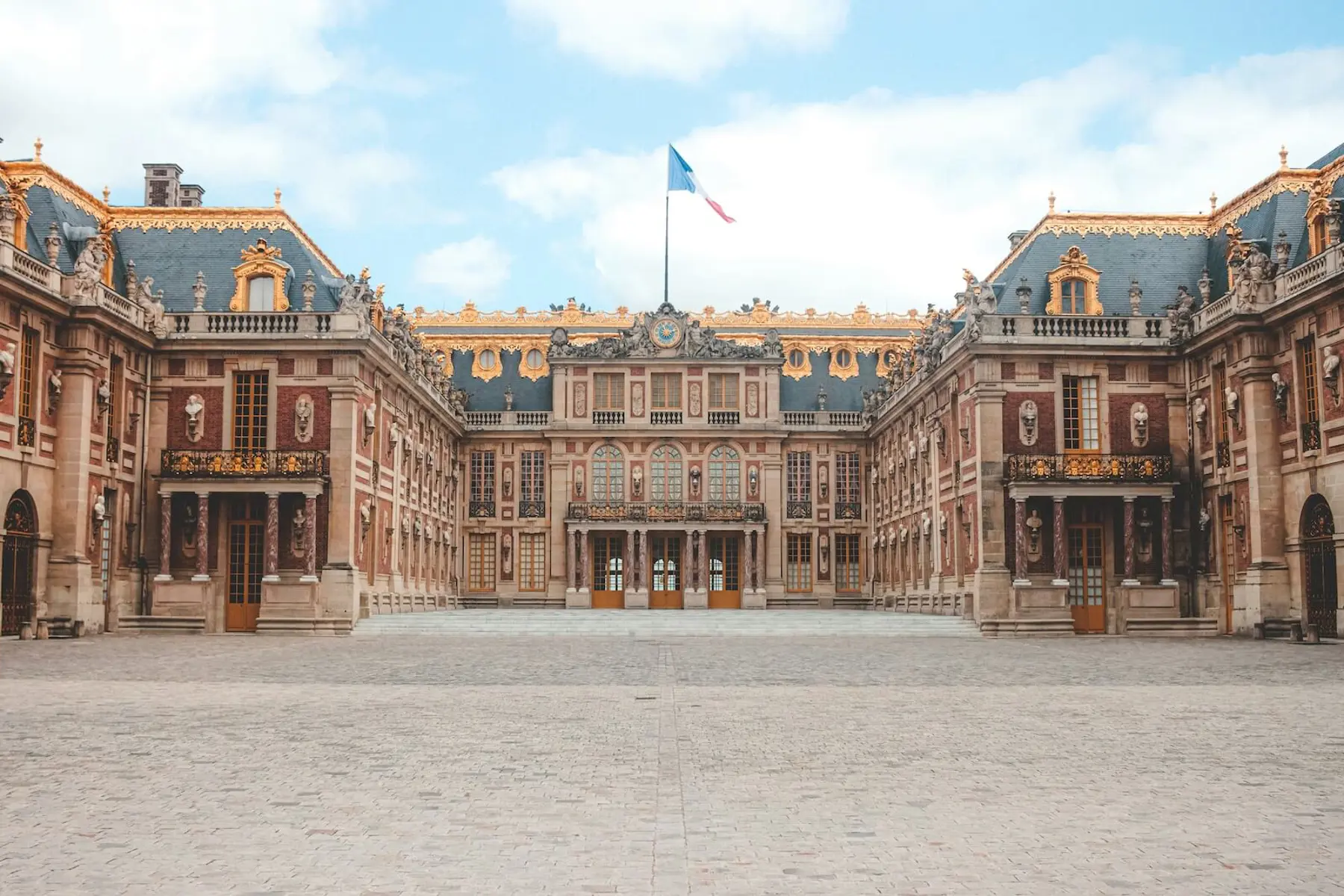
30 minutes by RER, and you're at the most opulent palace in Europe. Yes, it'll be crowded. Yes, you should go anyway. Book tickets online (trust us), visit on a weekday if possible, and don't try to see everything in one day—you'll collapse. The gardens are free to visit (except weekends in summer), and honestly, spending an afternoon just wandering them is worth the trip alone. Marie Antoinette's estate (Petit Trianon) is a quieter, dreamier escape from the main palace chaos.
Giverny: Where Monet painted his obsession
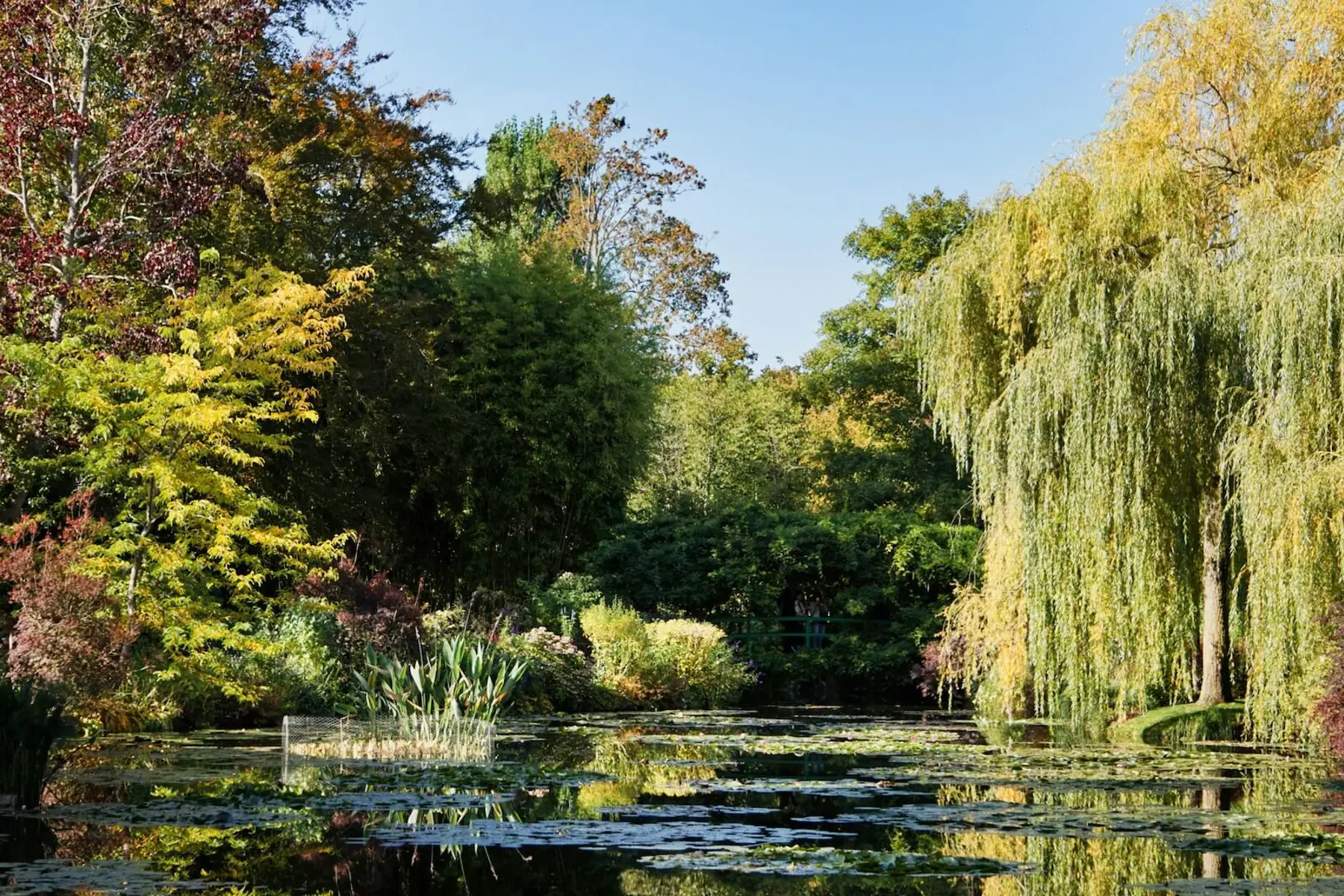
About 75 minutes by train + bus, and you're in the garden that inspired Monet's water lilies. It's exactly as beautiful as you think. Go in spring or summer when everything's blooming. The crowds can be intense, so arrive early or book timed tickets. The Japanese bridge, the pond, the house—it's all picture-perfect because Monet literally designed it to be painted. The village of Giverny itself is also charming, so give yourself time to explore.
Champagne Region: Because bubbles make everything better
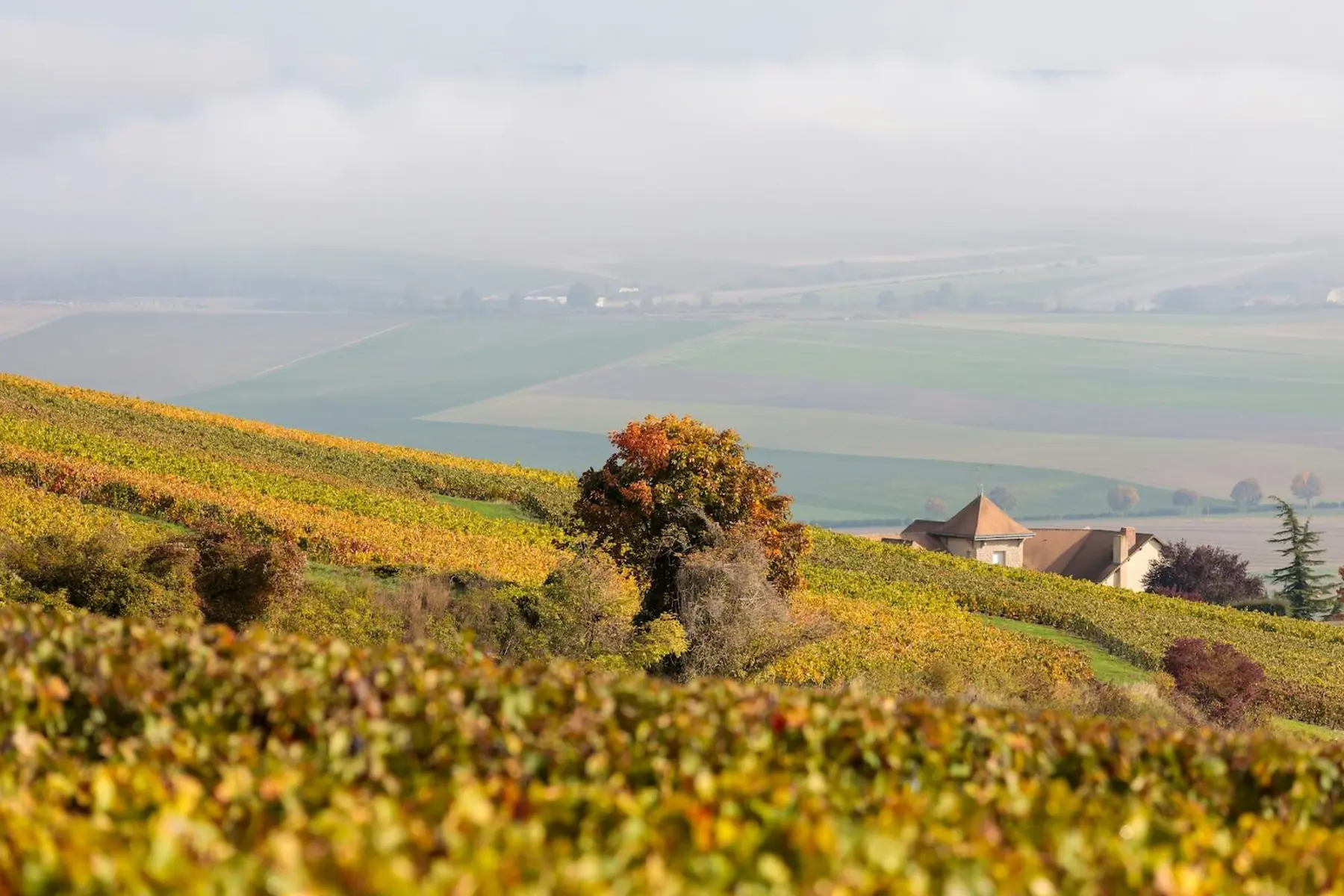
Reims or Épernay, both about 90 minutes by train, are where the magic happens. Book a champagne house tour (Moët, Veuve Clicquot, or smaller houses—all are fascinating), explore the cellars (some are Roman chalk quarries), and obviously taste everything. Stay overnight if you can—the region is beautiful, and you'll want more than one day to fully appreciate it. Also, champagne for breakfast is not only acceptable here, it's encouraged.
Loire Valley: Fairytale châteaux and wine
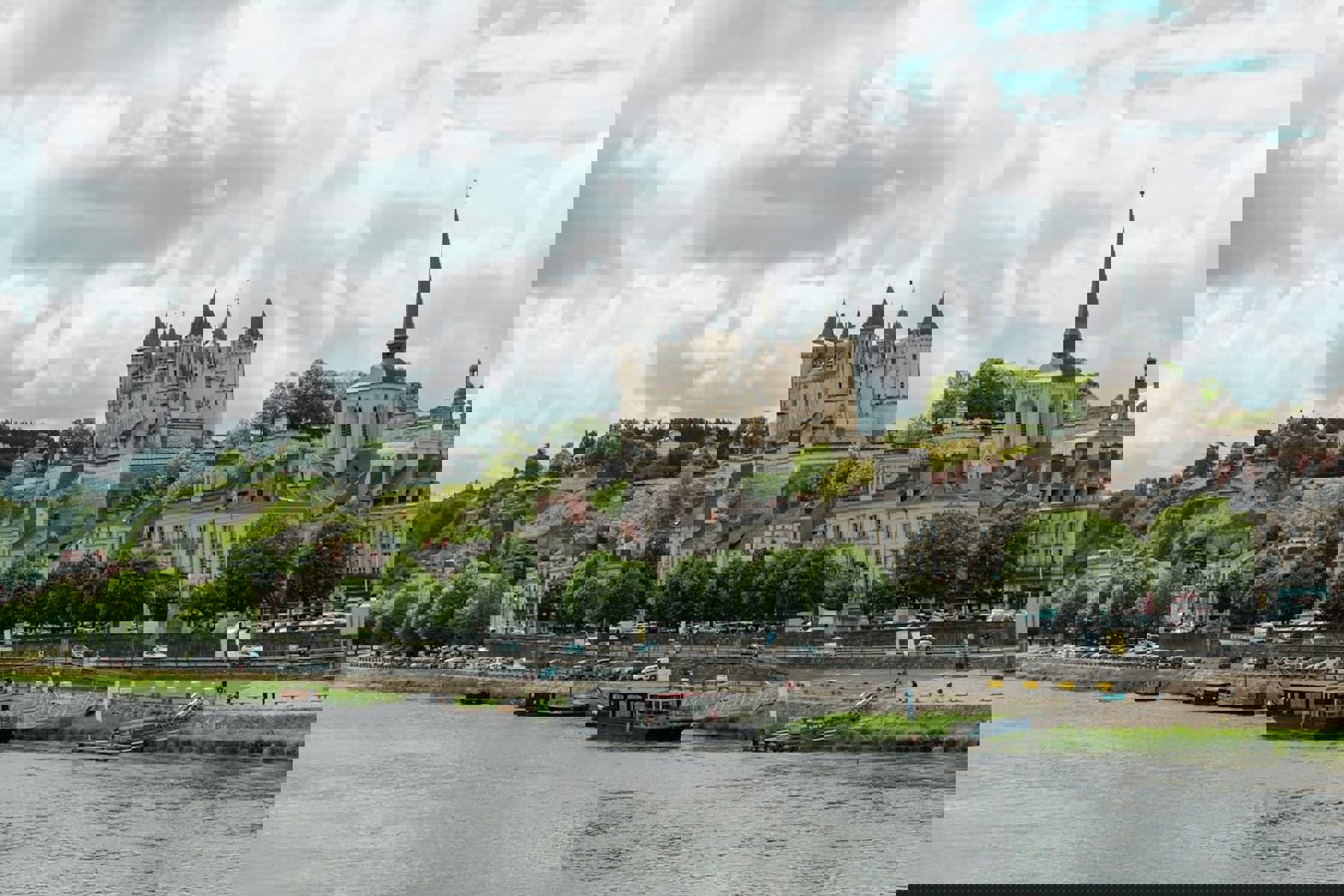
This is a weekend trip, not a day trip (it's 2–3 hours by train, or rent a car for flexibility). Chambord is the biggest, most impressive château. Chenonceau is the most beautiful (it spans a river). Blois is a charming town with a castle. Choose one or two to focus on—don't try to see them all. The Loire Valley is also wine country, so plan for tastings. The landscape is rolling hills, vineyards, and villages that look like postcards. It's basically France's Tuscany, but with castles instead of villas.
Sustainability & responsible travel
Paris is increasingly focused on sustainability, with initiatives promoting green transport, local food, and eco-friendly living. Here's how to minimize your impact while enjoying the city.
Longer stays, deeper connections
Slow travel reduces the environmental impact of frequent trips. Home swapping aligns perfectly with this approach—no need for short-term rentals that contribute to housing shortages. By staying longer in one place, you reduce travel-related carbon emissions.
Support local & sustainable
Shop at neighborhood markets, buy from local producers, and support independent businesses. Paris has numerous organic (bio) markets and zero-waste stores. Choose restaurants that source locally and seasonally.
Use public transport & bikes
Paris's extensive Metro and bus networks, plus Vélib' bike-sharing, make it easy to avoid cars. Walking is also a pleasure in many arrondissements. These options drastically reduce your carbon footprint while immersing you in local life.
Paris survival guide: Don't be that tourist
Look, Parisians have a reputation for being rude. Here's the secret: they're not rude—you're just not doing it right. Follow these rules, and you'll be treated like a local (or at least not like a clueless tourist).
French etiquette 101: The greeting is everything
Always, ALWAYS say "Bonjour" when entering anywhere—shop, café, restaurant, elevator. It's not optional. It's basic respect. Then say "Merci" and "Au revoir" when leaving. Skip this, and yes, you'll get the famous Parisian attitude. It's not that they're rude; it's that you were rude first. Also, never start speaking English without asking "Parlez-vous anglais?" first. This tiny gesture changes everything.
The 3-block rule: Avoid tourist traps like the plague
See the Eiffel Tower? Great. Now walk three blocks away before eating. Restaurants near major attractions are designed to trap tourists—overpriced, mediocre food, English menus everywhere. Walk away, find where locals are eating (hint: no English menus, filled with French people), and you'll eat better and pay less. This rule applies to everything: cafés, shops, everything. If you see a "We speak English" sign, keep walking.
Museum hack: Evening visits are magic
Most tourists visit museums during the day. You're smarter than that. The Louvre is open until 9:45 PM on Wednesdays and Fridays—go then, and you'll have way more space to actually see art instead of tourist backs. Musée d'Orsay has Thursday evening openings. Museums are also quieter on weekday mornings if you're an early riser. Avoid weekends unless you enjoy crowds (you don't).
Learn the arrondissement spiral (it's actually logical)
Paris's 20 arrondissements spiral outward from the center like a snail. Once you understand this, navigation makes sense. The 1st–4th are the center, 5th–7th are Left Bank, 8th–12th are expanding outward, and so on. Each has its own personality, price point, and vibe. The arrondissement number in an address tells you exactly where you are. Learn it, love it, live it.
Final thoughts: Why Paris workations change everything
Here's the thing about Paris: it'll ruin other cities for you. That croissant you'll have every morning? Nothing else will compare. That café where you'll write your best work? You'll compare every other workspace to it. That feeling of walking home past centuries of history? You'll chase that forever.
But here's the other thing: Paris workations are actually possible now. With many home swaps available on Swaphouse in Paris, you're not spending €3,000+ (often much more) on a month of hotel rooms—you're staying for free in someone's actual home, in their actual neighborhood, living their actual life. You'll shop at their boulangerie, meet their neighbors, and feel like you're not just visiting Paris, but living it.
This city will challenge you, inspire you, frustrate you (yes, the bureaucracy is real), and ultimately change how you think about remote work. Because when your office view is the Eiffel Tower, when your lunch break is a walk through the Louvre, when your evening routine is a glass of wine along the Seine—that's not just working remotely. That's living.
Pack your laptop, learn to say "Bonjour" properly, and get ready. Paris is about to show you that remote work doesn't have to mean working from your couch. It can mean working from the most beautiful city in the world. And honestly? What are you waiting for?
About Swaphouse
Imagine if you could work remotely from a destination of your choice, for free, without having to pay any accommodation costs. At Swaphouse, we believe this is the future of work, and it's our mission to make it an accessible reality for every remote worker.


Community Comments
Join the Conversation
Sign in to share your tips and experiences with the community