Home Swapping for Solo Travelers: A More Affordable and Personal Way to Travel
Solo travel gives you freedom, but accommodation costs can feel heavier when you are not splitting them with anyone else. Home swapping offers a more affordable, comfortable, and personal way to explore the world.
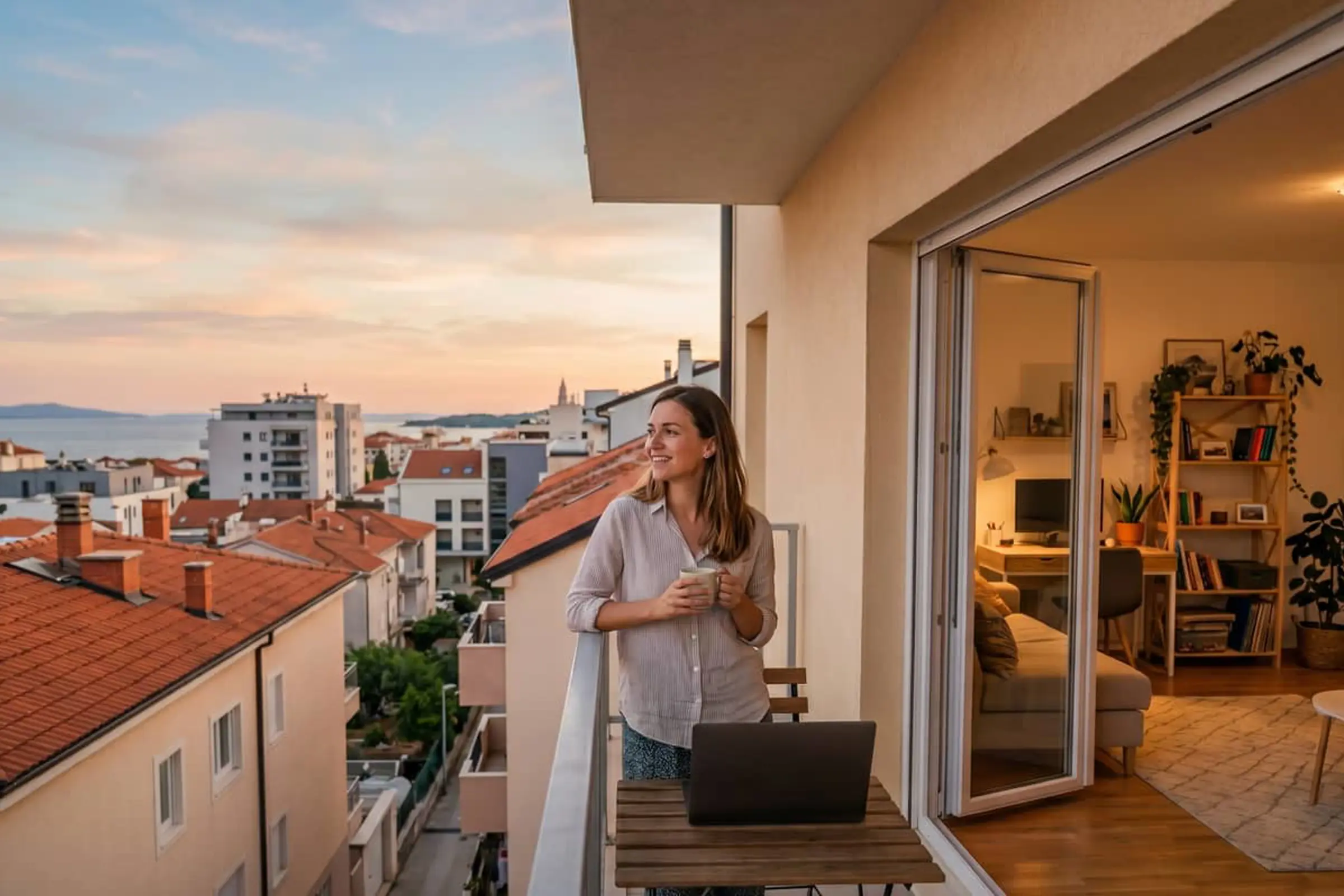
When you travel alone, you often pay the full price of a hotel, hostel, or short-term rental yourself. That can make longer trips harder to justify, especially if you want privacy, a quiet place to sleep, or a comfortable setup for remote work.
Home swapping gives solo travelers another option. Instead of choosing between hotels, hostels, short-term rentals, or staying with friends, you can exchange homes with another traveler and stay somewhere that feels more personal, more local, and often much more comfortable.
What is home swapping?
Home swapping, also called home exchange, means exchanging homes with another traveler. You stay in their home, and they stay in yours. It is a simple idea, but it can completely change how affordable and personal travel feels.
On Swaphouse, home swapping is based on mutual interest. You browse homes, like the ones you are interested in, and if the other member likes your home back, you have a match. From there, you can chat, ask questions, compare dates, and plan the swap together.
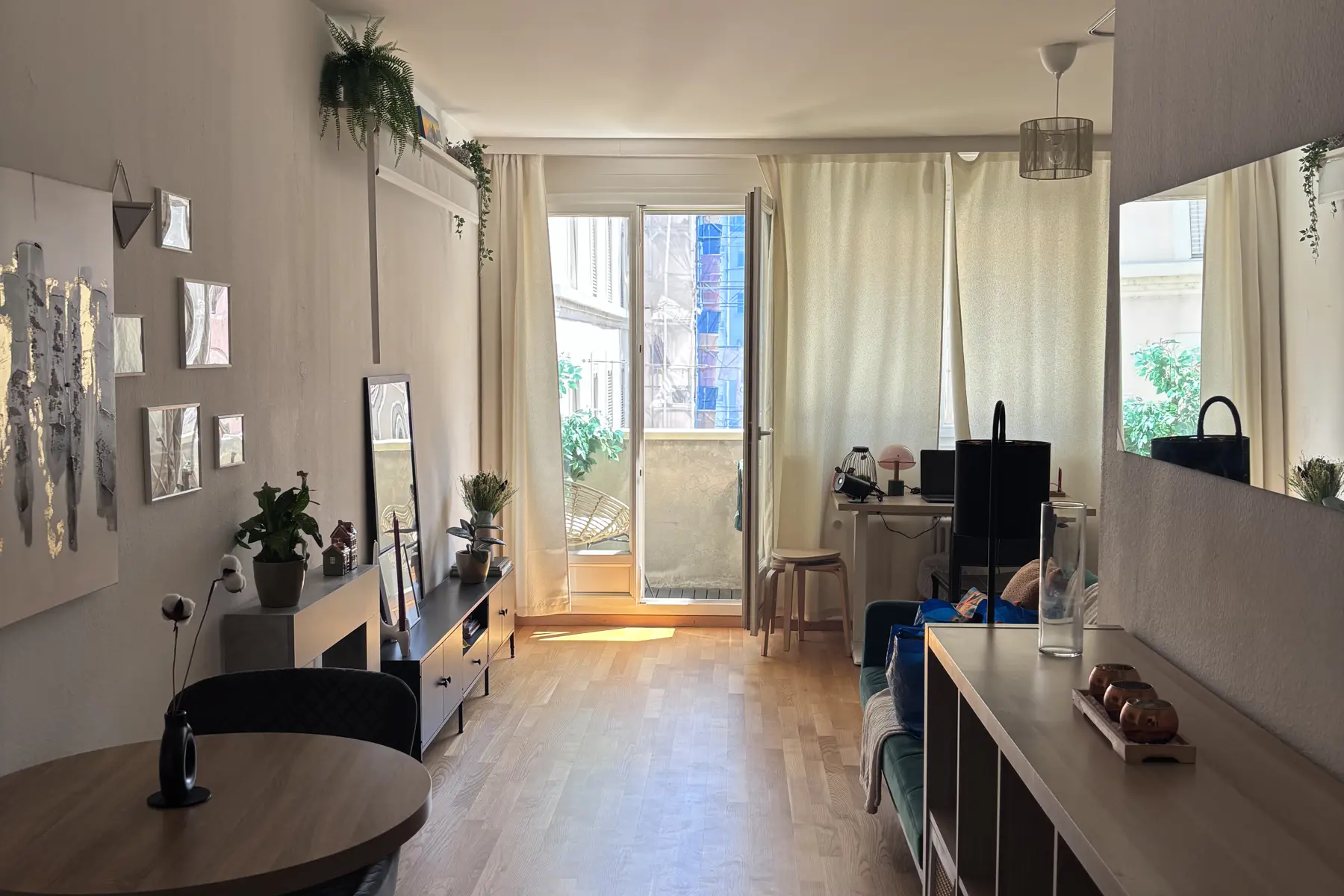
🇨🇭 Bright Geneva studio near Lake Geneva, cafes, and public transport
Swaps can be simultaneous or non-simultaneous, which can be especially useful when you are traveling alone and have more control over your own schedule. New to Swaphouse? Our getting started guide walks through the basics.
Why home swapping works well for solo travelers
For solo travelers, accommodation is often one of the biggest expenses. A hotel or Airbnb might be priced for two people, but if you are traveling alone, you still pay the full amount. With home swapping, the stay itself is free, which can make longer trips, remote work stays, and slower travel much more accessible. For solo travelers, home exchange can be especially useful because it makes longer stays more affordable without giving up privacy or comfort.
You also get more than a place to sleep. A real home usually gives you a kitchen, living area, laundry, Wi-Fi, and often a proper workspace. That can make a big difference compared with a small hotel room or a shared hostel dorm, especially if you like having a calmer place to return to after a day out.
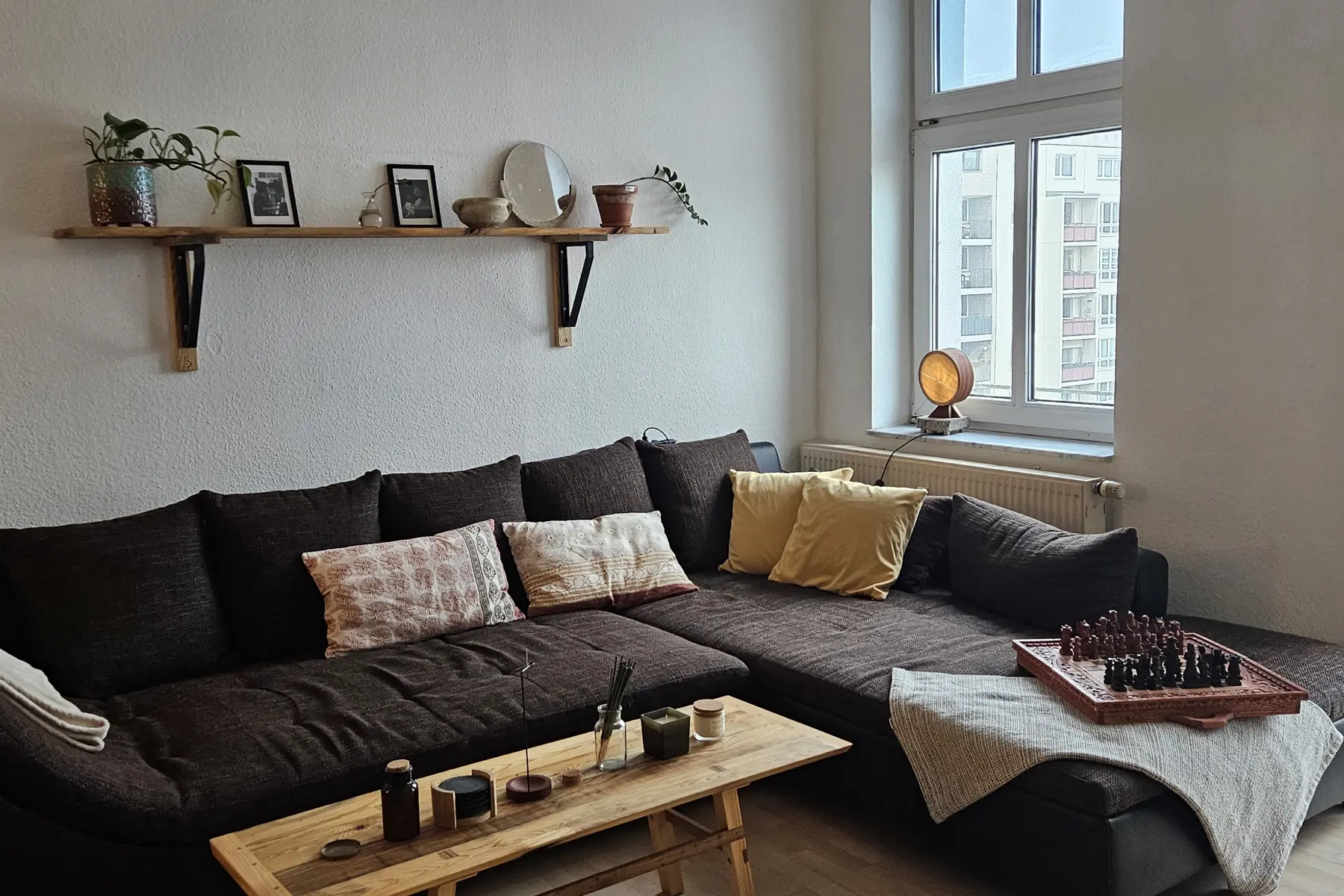
🇩🇪 Cozy Berlin flat for one guest, with a dedicated office room and balcony
Home swapping can also help you experience a destination in a more local way. Instead of staying only in tourist-heavy areas, you may find yourself in a residential neighborhood, shopping nearby, taking local transport, and getting a more natural sense of daily life.
For solo travelers who work remotely, this can be even more valuable. A home with reliable Wi-Fi, a desk, a kitchen, and a quiet environment can turn a trip into a comfortable workation instead of a constant search for cafes and power outlets.
Is home swapping safe for solo travelers?
Safety is one of the most important questions for any solo traveler. Home swapping is based on trust and communication, so it is worth taking the time to make an informed decision before confirming anything.
Before confirming a swap, it helps to:
- Read the other member's profile carefully.
- Review photos, descriptions, reviews, and verification signals.
- Chat first and pay attention to how clearly they communicate.
- Schedule a video call before confirming the swap.
- Ask about the home, neighborhood, public transport, arrival process, and house rules.
- Trust your gut if something feels unclear or uncomfortable.
- Start with a shorter or simpler swap if you are new to home swapping.
Trust signals can help, but they are not a guarantee. The goal is to gather enough information to feel comfortable with the person, the home, and the plan. For a deeper look at this topic, read our guide on how safe home swapping is.
Tips for finding a good solo travel home swap
A good home swap starts with a clear profile. Share who you are, how you like to travel, whether you are planning a holiday or remote work stay, and what kind of swap you are looking for. Our guide on how to write the best Swaphouse user profile can help you get started.
On Swaphouse, you can also show whether you usually travel solo or with others. This gives other members useful context before matching or starting a conversation, especially when home size, sleeping arrangements, or travel style matter.
When you find a home you like, scroll to the member's profile too. If they also travel solo, that may make the exchange feel more relaxed.
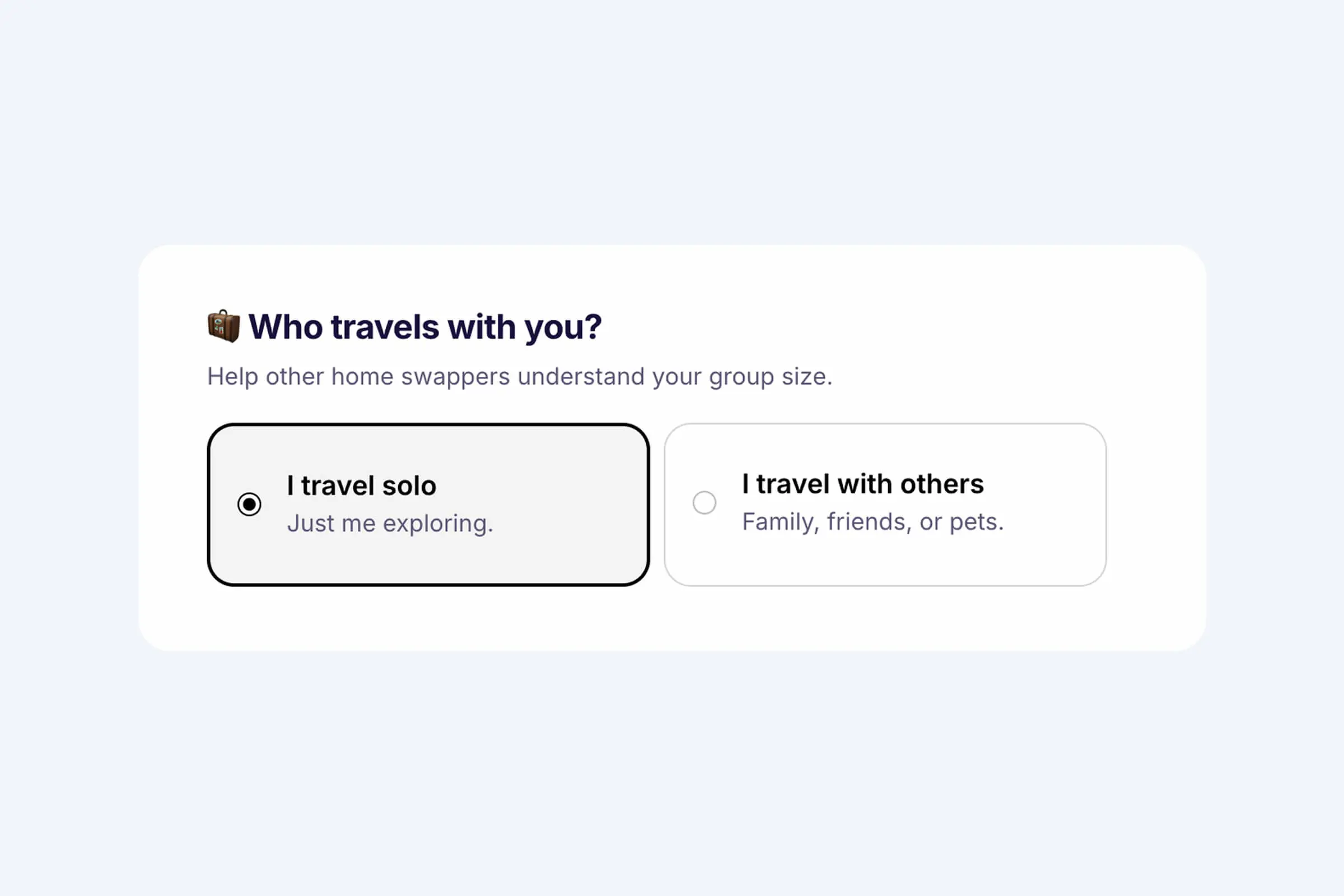
Show on your Swaphouse profile whether you travel solo or with others
It also helps to stay flexible. Smaller homes, studios, and apartments can be ideal for solo travelers, even if they may be overlooked by families. Be open to nearby destinations, residential neighborhoods, and places outside the most popular city centers.
Here are a few solo-friendly homes on Swaphouse that show how varied those matches can be:
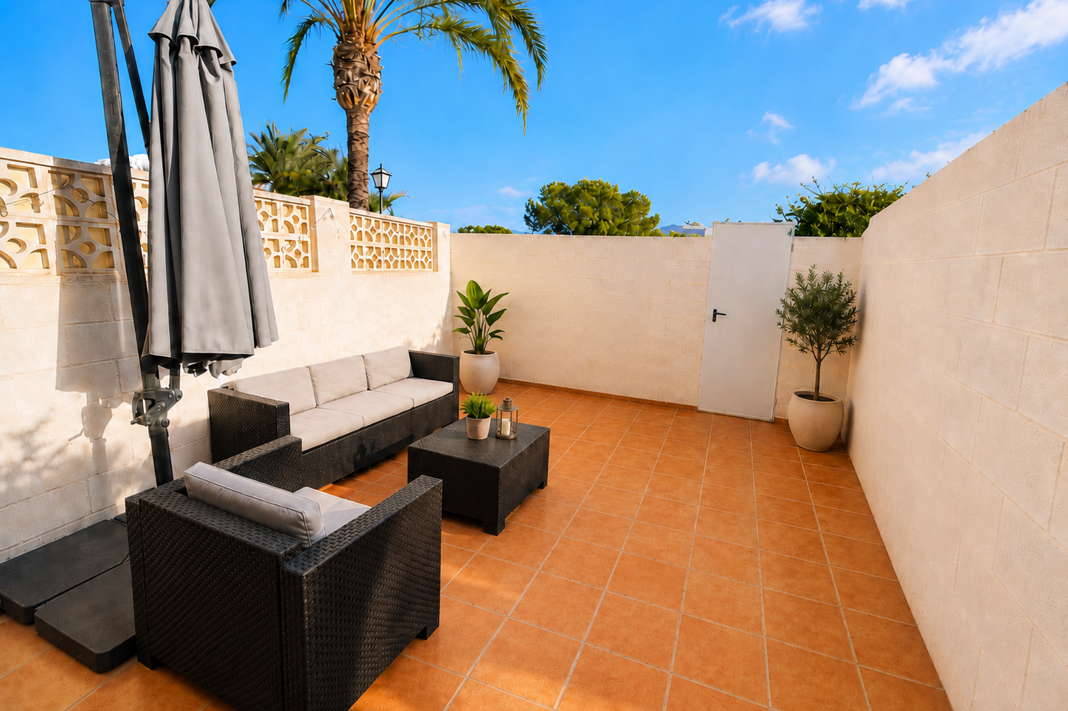
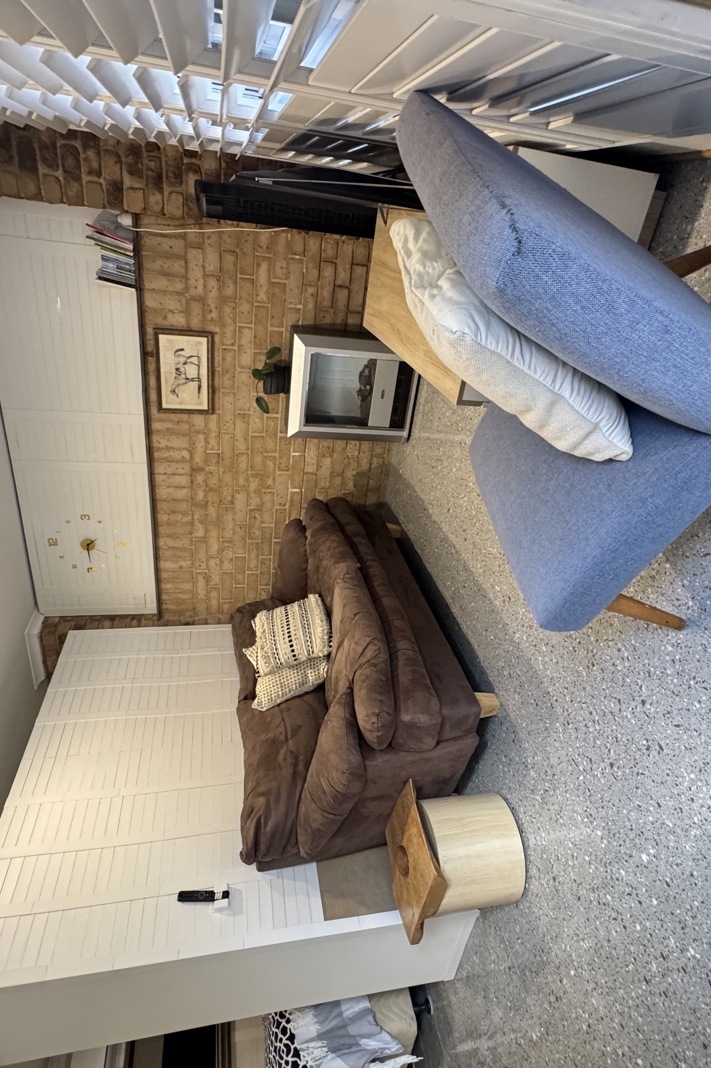
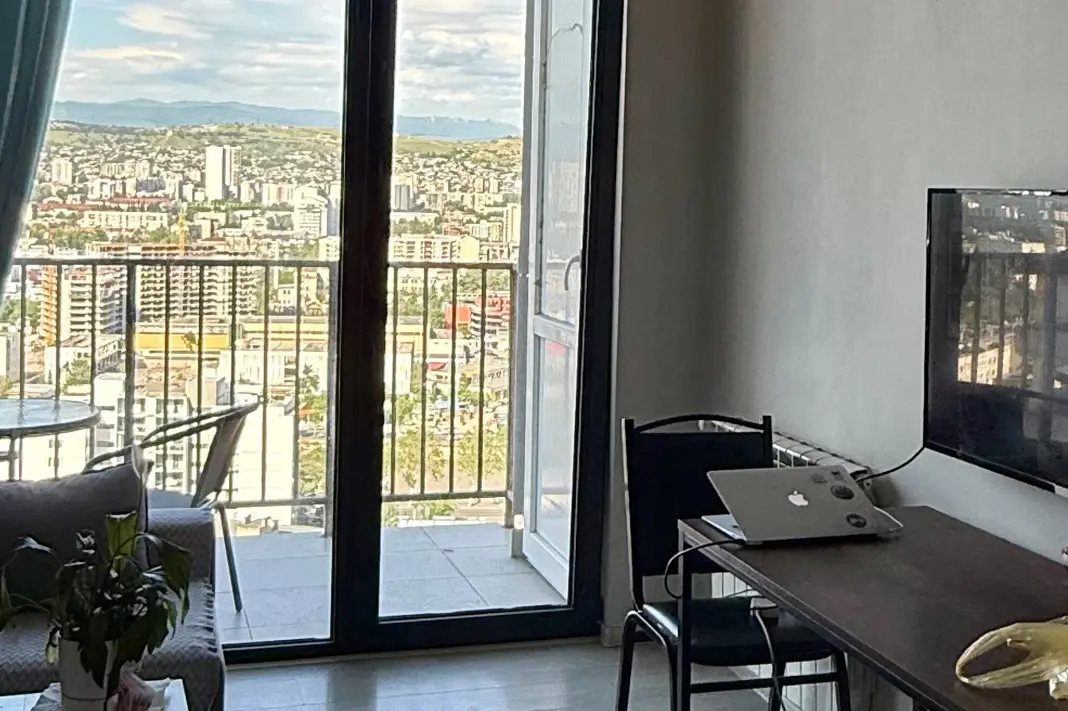
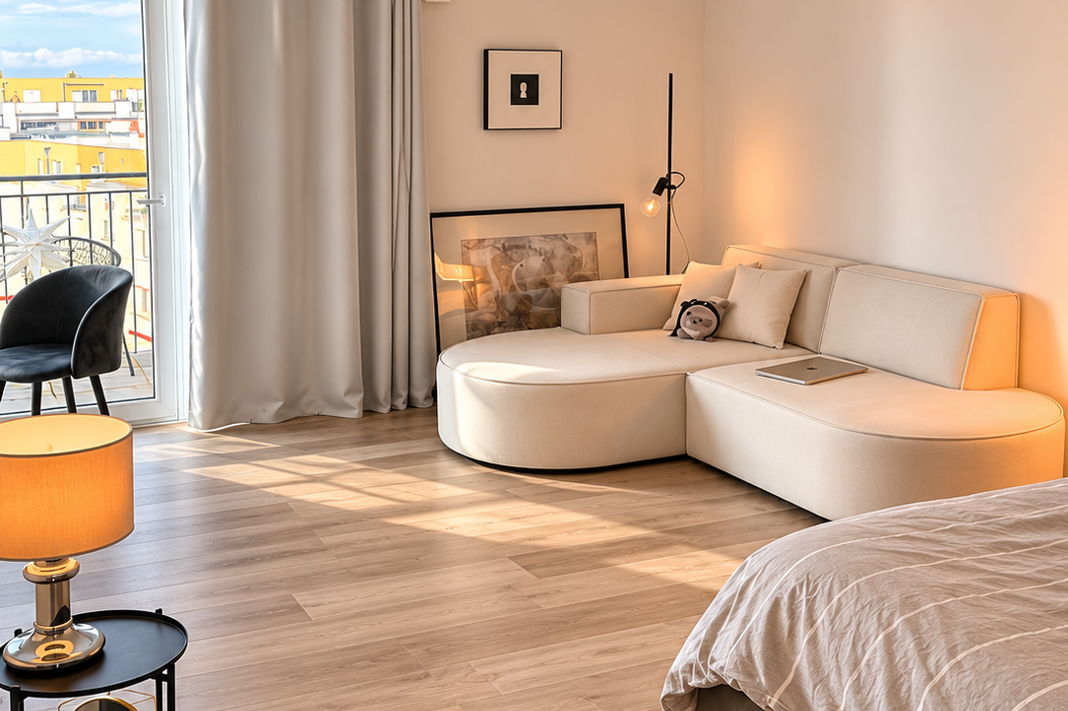
The clearer your profile is, the easier it becomes for other solo travelers, remote workers, and flexible swappers to understand whether your home and travel style could be a good fit.
Do you need a big home to swap as a solo traveler?
No. Many solo travelers actively prefer smaller homes, studios, one-bedroom apartments, and easy city bases. A compact home with Wi-Fi, a workspace, good location, and clear photos can be a very attractive swap.
What kind of homes are best for solo travelers?
Solo travelers do not always need a large home. In fact, smaller spaces can be perfect. Studios, one-bedroom apartments, compact city homes, and places in walkable neighborhoods can be exactly what someone traveling alone is looking for.
Useful features include public transport nearby, a proper workspace, strong Wi-Fi, clear house rules, good natural light, laundry, and a kitchen. Homes in safe, residential areas can also be attractive because they offer a more grounded place to return to at the end of the day.
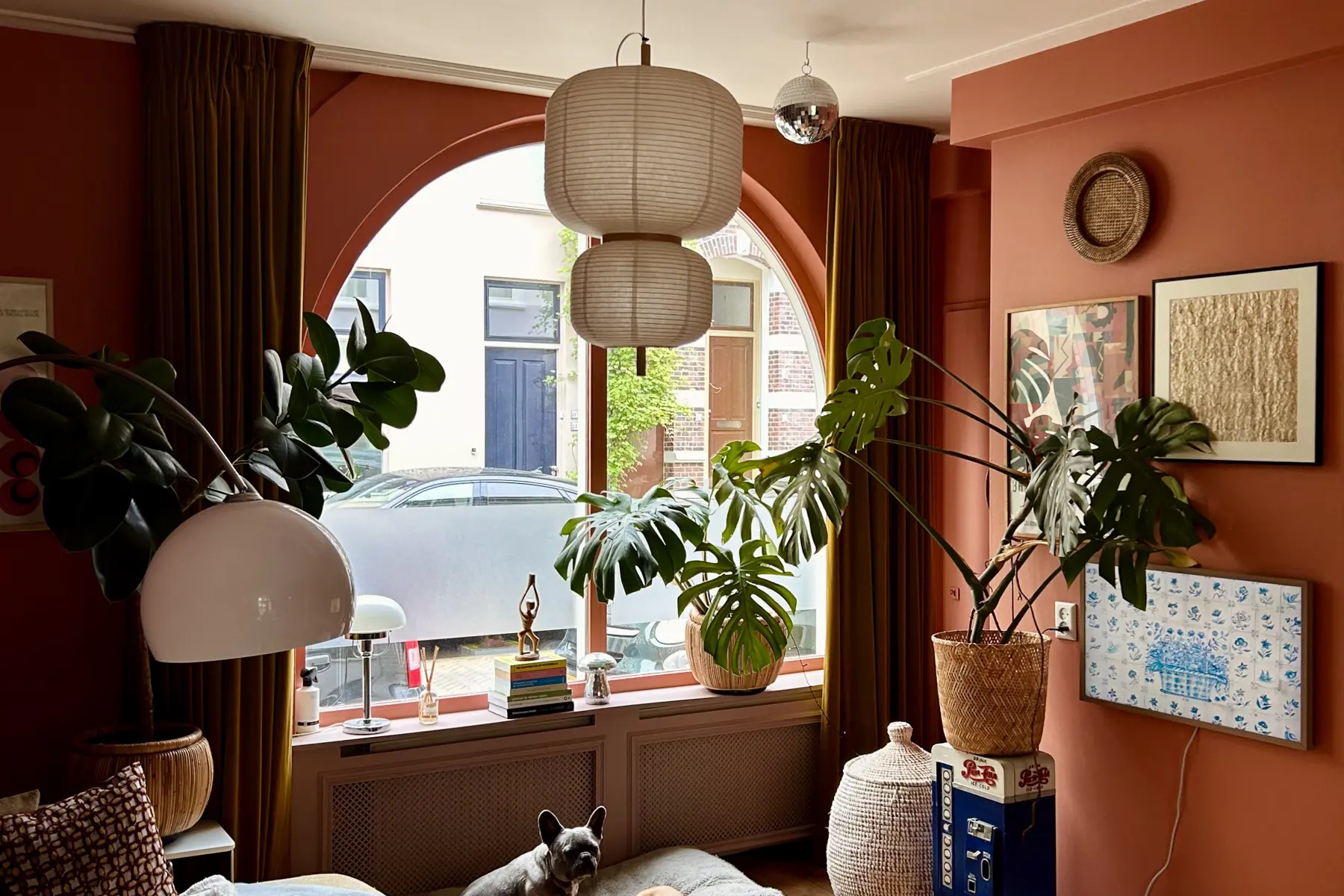
🇳🇱 One-bedroom home in Arnhem with a sunny private garden and fast Wi-Fi
If your home is smaller, do not assume it is less valuable on Swaphouse. A studio that may not work for a family could be perfect for a solo traveler, remote worker, or someone planning a quiet city break.
Solo travel does not have to feel lonely
Traveling alone does not mean every part of the trip has to feel anonymous. One of the nicest things about home swapping is that there is usually a human exchange behind the stay. You are not just booking a room; you are staying in someone's real home, and they are trusting you with their space too.
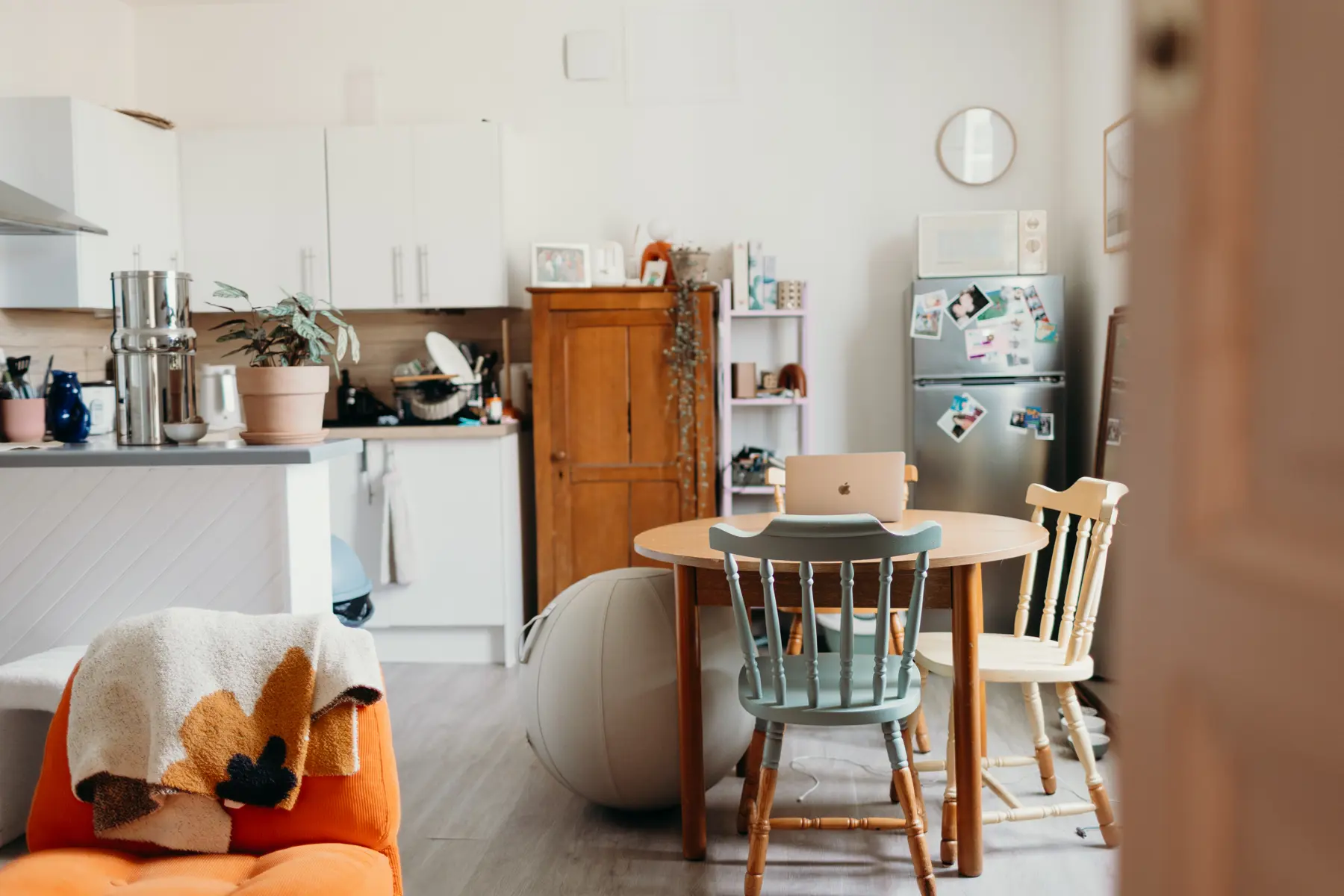
🇫🇷 One-bedroom apartment above the port in Cancale, Brittany
That can make the trip feel more personal. The homeowner may share favorite cafes, local markets, parks, transport tips, or neighborhood recommendations you would not find in a standard travel guide. Sometimes you may even meet before or after the swap, depending on the arrangement.
Home swapping will not magically remove every lonely moment from solo travel, but it can make the experience feel more connected, grounded, and human than staying somewhere anonymous.
Home swapping vs hotels, hostels, and Airbnb for solo travelers
Hotels are easy and predictable, but they can be expensive when you are paying alone. They can also feel impersonal, especially on longer stays. Read more in our home swap vs hotels comparison.
Hostels are often cheaper and social, but they usually mean less privacy, less quiet, and fewer comforts. That can be fun for a short trip, but harder if you need rest, work focus, or your own space.
Airbnb and other short-term rentals can offer more privacy, but they are often expensive in popular destinations and can feel increasingly commercial.
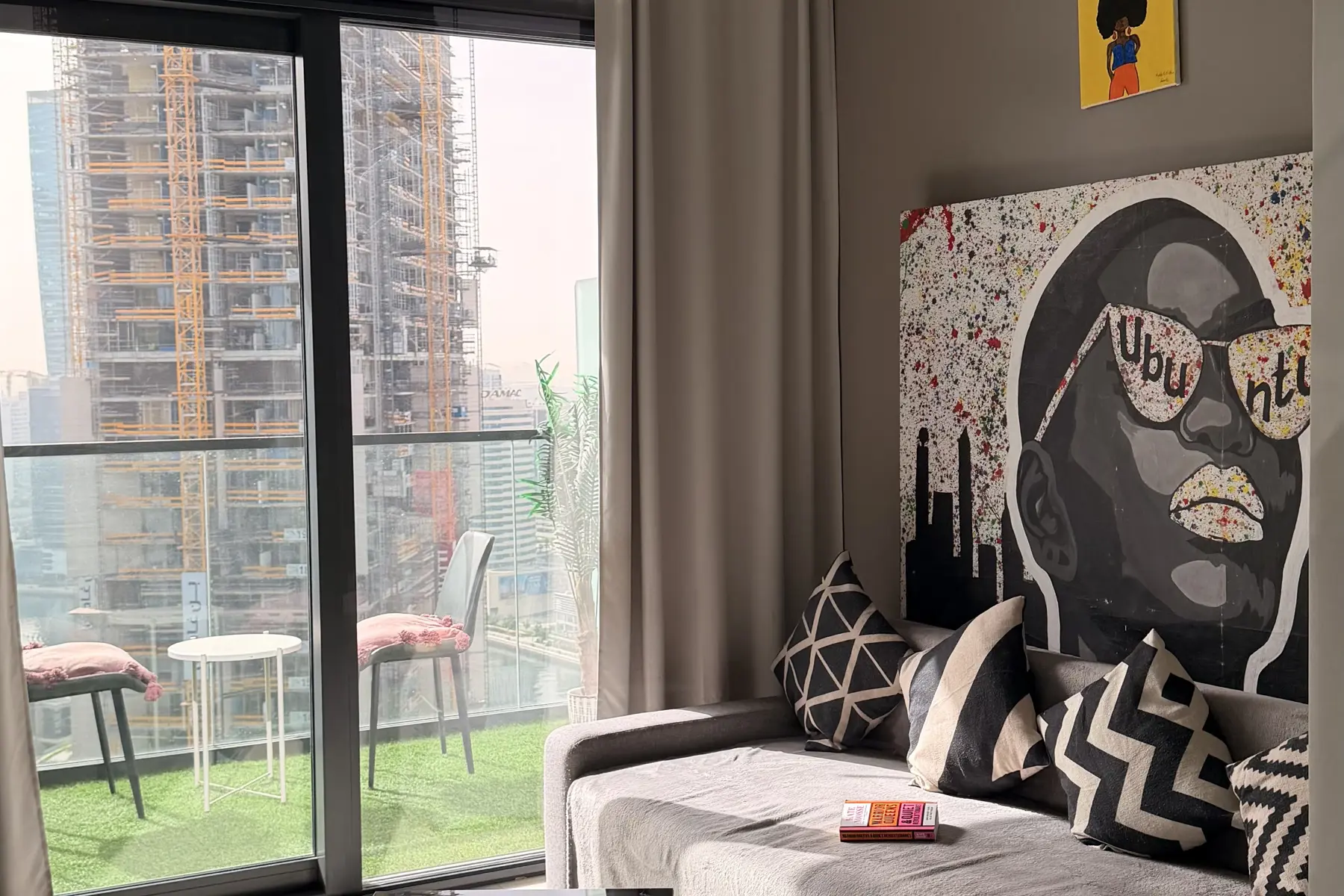
🇦🇪 One-bedroom apartment in Dubai with canal and Burj Khalifa views
Home swapping is different. The stay itself is free, the experience is more personal, and the home is usually more comfortable than a single room. The trade-off is that it requires trust, flexibility, and communication. For many solo travelers, that trade-off can be worth it.
How to get started with home swapping as a solo traveler
- Create your Swaphouse profile.
- Add your home with clear photos and an honest description.
- Highlight why your home is suitable for travelers, solo travelers, or remote workers.
- Browse homes in places you would love to visit.
- Like homes that interest you.
- Chat when there is a mutual match.
- Ask questions about the home, neighborhood, dates, arrival, and expectations.
- Confirm the swap when both sides feel comfortable.
You do not need to plan a big international swap right away. Starting with a simple, well-communicated trip can help you build confidence with the process. Our guide on how to plan and confirm a home swap walks through the final steps.
A more affordable and personal way to travel solo
Solo travel gives you freedom. Home swapping can make that freedom more affordable, comfortable, and personal. Whether you are planning a remote work trip, a city break, or a longer stay abroad, Swaphouse helps you connect with other travelers and swap homes for free.
Ready to try a more personal way to travel solo? Join Swaphouse for free and start exploring homes around the world.
About Swaphouse
Imagine if you could work remotely from a destination of your choice, for free, without having to pay any accommodation costs. At Swaphouse, we believe this is the future of work, and it's our mission to make it an accessible reality for every remote worker.



Community Comments
Join the Conversation
Sign in to share your tips and experiences with the community